Day 1 - Katunayake
Upon landing at Bandaranaike International Airport (BIA), you will be welcomed by your naturalist guides with the warm words of “Ayubowan” which is the local form of greeting to guests which roughly translates to “May you attain a long life”.
Thereafter you will be escorted to your transportation vehicle and driven to the nearby hotel (15 min drive from the airport) where you will check into your rooms.
Spend the remainder of the day at leisure recovering after a long flight.
If you are up for it, you can join your naturalist for a late afternoon birding session in the property which is good to get an introduction into Sri Lankan birds. The property grounds are especially known to be home to the endemic Crimson-fronted Barbet, a small and colorful bird seen often here. Other species possible include Red-backed Flameback, White-bellied Drongo, Yellow-billed Babbler and Oriental Magpie-Robin, amongst others.
Day 2 - Wilpattu
Venture early from the hotel towards Wilpattu National Park (4 hours drive).
Enroute, stop over for some birding at Anawilundawa wetlands. This is the perfect introduction to you on Sri Lankan birds, with many of the common water birds such as Yellow, Black and Cinnamon bittern being seen here, along with Lesser Whistling-Duck, Cotton Pygmy Goose, Black-headed Ibis, Painted Storks, Eurasian Spoonbill, Asian Open bill and many other species in this RAMSAR Wetland site. Keep an eye out for a few rare migrants who are seen during this time such as the Fulvous Whistling-Duck as well as the Golden Oriole which have been spotted in recent years during this time.
After a few hours, continue back on the road towards Wilpattu. Once we reach our lodging in Wilpattu, we will have lunch, and If time permits, the sprawling grounds are teeming with species of birds before your game drive.
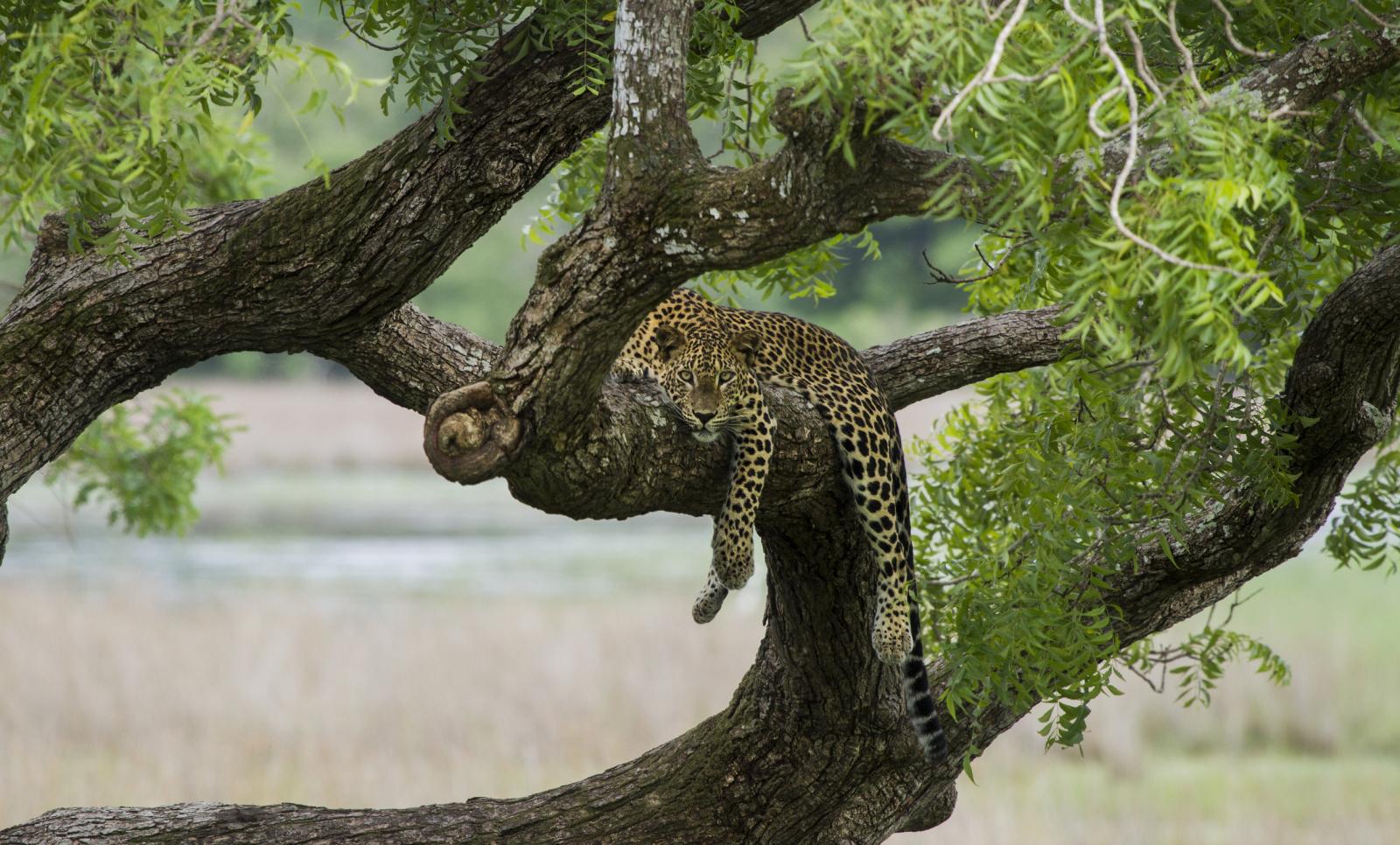
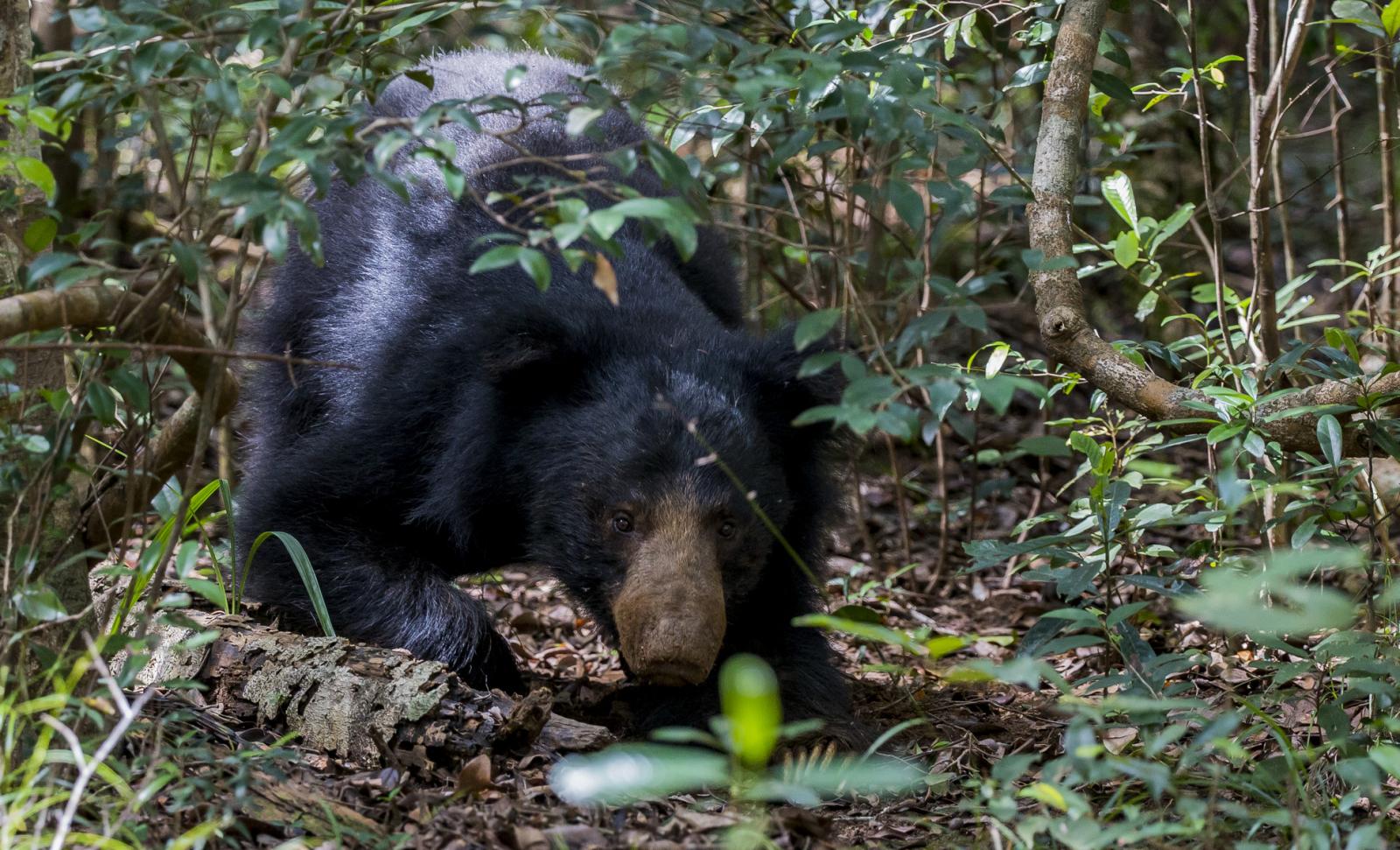
By around 3.00 PM, we will hop on safari jeeps and head into Wilpattu for your first game drive. Popularly dubbed as ‘the land of the lakes’, Wilpattu National Park is famous for watching wildlife within its picturesque villus and dry evergreen forests. It is Sri Lanka’s oldest and largest national park which reopened in 2010 after being closed for nearly three decades due to the civil war. Wilpattu is one of the top spots in Sri Lanka for watching Leopard and Sloth Bear. Other larger animals seen regularly here include Elephant, Jackal, Mugger Crocodile, Sambar, Spotted Deer and Buffalo.
Wilpattu is also an excellent birding location, particularly in the winter months, with over 200 recorded species, including a variety of raptors such as Crested Serpent, Changeable Hawk and White-bellied Sea-Eagles and Brown Fish Owl. The endemic Sri Lanka Grey Hornbill, Sri Lanka Junglefowl, Sri Lanka Woodshrike and a number of water birds and waders can be seen by the water’s edge near the villus.
Return back at dusk to your lodging and enjoy dinner and overnight stay. Also keep an eye out as your naturalist guide will also keep a looking for any owls which are often seen in the property at night. Species such as the Brown Boobook, Brown Fish-Owl, Indian Scops-Owl and Collared Scops-Owl have been regularly seen at night in this property.
Day 3 & 4 - Wilpattu
The next two nights will follow a similar routine, with a 5.00 AM wake up and at 6.00 AM we leave for a full day game drive with a packed breakfast and lunch into Wilpattu National Park.
Being the largest national park in Sri Lanka, the park is quite vast and one needs full days to truly venture into the center of this vast reserve and to truly witness the wonder of the birds and wildlife found here. This is a great time to keep an eye out for migrants such as the Orange-headed Thrush and Indian Pitta who are seen in the forest floors of Wilpattu. Endemics such as the Brown-capped Babbler, Sri Lanka Junglefowl, Sri Lanka Woodshrike, Sri Lanka Gray Hornbill, Black-capped Bulbul and Red-backed Flameback can all be seen in this park. The park is also great to spot the “jewel of the forest” the Black-backed Dwarf-Kingfisher or Three-toed Kingfisher. Rarities that have been seen occasionally in the park are the legendary Spot-bellied Eagle-Owl as well as the Malabar Trogon and Malayan Night Heron.
Sloth Bears are seen almost daily, if you have the patience, and leopard sightings are quite good in this park, and with two full day safaris your chances are quite good.
Return back out of the park at 6.00 PM during dusk and return to your lodging for your overnight stay.
Day 5 - Habarana
After an early breakfast, checkout from the lodge and head towards the UNESCO World Heritage Site and ancient Kingdom of Anuradhapura for a guided tour.
Anuradhapura is an ancient historical city comprising of religious places of worship and Buddhist shrines constructed by the past Kings of Sri Lanka and was the island’s capital between the 5th century BC and the 11th century AD. You will see some of the most famous, as well as the tallest dagobas of Sri Lanka, remains from palaces, temples, monasteries, ceremonial baths and the temple of the holy Bo-tree. This tree was grown from a sapling of the very tree under which more than 2500 years ago the Buddha found enlightenment.
Thereafter, continue towards Habarana (2 hours drive). Check into your resort for lunch & for your overnight stay.
After an early dinner set out by jeep on a night safari in the outskirts of Habarana. These drives have proven very productive with sightings of owl species such as Brown Fish-Owl, Brown Wood-Owl, Spot-bellied Eagle- Owl as well as mammals including Gray Slender Loris, Fishing Cat, Jungle Cat and the elusive Rusty-spotted Cat as well as the Spotted Chevrotain, Greater Flying Squirrel, among many others.
Return back to your hotel late night for your overnight stay.
Day 6 - Sigiriya to Nuwara Eliya
On this day, we start early with a check-out and departure for Sigiriya, the world-renowned rock fortress and UNESCO World Heritage Site. Plan to leave around 6:00 AM with a packed breakfast provided by the hotel.
This site is also great for many species of birds found in the area. Your naturalist will keep an eye out for any birds they find while on the tour of this ancient site. Rising dramatically from the central plains, the enigmatic rocky outcrop of Sigiriya is perhaps Sri Lanka's single most dramatic sight. Near-vertical walls soar to a flat-topped summit that contains the ruins of an ancient civilization. Top of this rock contains ruins of an ancient palace complex, built during the reign of King Kasyapa (477AD – 495 AD) and surrounding rock is the Royal Garden. Ruins of various chambers, stairways and pools can be seen at the top of this rock. There is a stone stairway leading from the base to the top of the mountain. About half way to the top, there is a giant pair of lions paws which is in fact are the remains of a huge head of a lion whose open mouth served as the entrance to the royal palace. Surrounding the palace complex are the ruins of a garden complex consisting of two moats and various pools, some with water fountains still functioning after 1500 years.
After descending, enjoy your packed breakfast at a suitable spot. A stop will also be made at a local restaurant for refreshments and a restroom break. Then we will proceed to Nuwara Eliya, with the drive taking around 5 hours to the central highlands. There will be a significant change in climate as you reach the hills, hence some warm layers of clothing are needed. Further it can be very damp and moist with the mist and fog, hence a rain jacket is recommended.
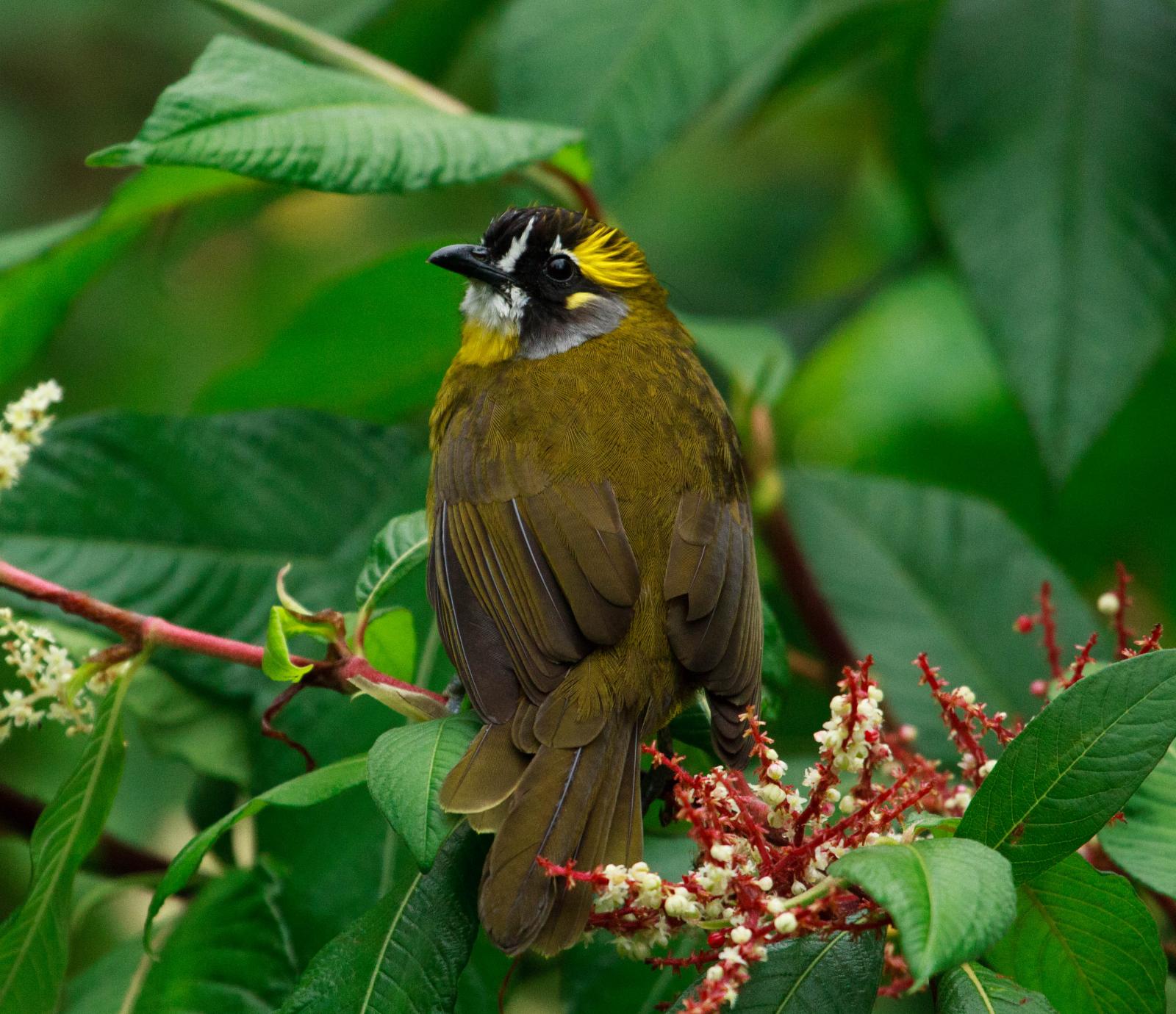
After lunch, you will venture out with your naturalist to explore the many highland endemic bird species as well as winter migrant species found here. Possibilities include Sri Lanka White-eye, Yellow-eared Bulbul, Dull-blue Flycatcher, Velvet-fronted Nuthatch and Gray-headed Canary-Flycatcher, to name a few species. Interested mammals could include Purple-faced Leaf-Monkey, and the Toque Macaque, both species endemic to Sri Lanka.
Return back to your hotel at dusk for dinner and overnight stay.
Day 7 - Nuwara Eliya and Horton Plains
Today at 5.00 AM, depart the hotel with a packed breakfast, and we will head to Horton Plains National Park.
A UNESCO World Heritage Site, Horton Plains is one of the most picturesque and scenic national parks in Sri Lanka. Located over 2000 meters above sea level this montane cloud forest habitat is one of Sri Lanka’s ecologically rich areas with many species of endemic flora and fauna.
Shortly after entering the park, we will stop at Arrenga Pool, as well as other spots with your naturalist guide for some bird photography. The most sought after endemic birds to photograph would undoubtedly be the Sri Lanka Whistling-Thrush and the Sri Lanka Bush Warbler. Furthermore, other endemics which you will find are the Sri Lanka Wood-Pigeon, Greater Flameback, Sri Lanka Junglefowl, Yellow-eared Bulbul, Sri Lanka White-eye.
Other bird species which you should encounter include Black Bulbul, Himalayan Buzzard, Black Eagle, Crested Serpent Eagle and Black-shouldered Kite to name a few.
From a mammalian point of view, the most iconic animal you may encounter for photography would be the Sambhur Deer which can be found throughout the plains of the park. The misty background, along with beautiful red rhododendron flowers are ideal for photography, as well as the mountain peaks in the background
While driving along this road your naturalist will keep a keen eye out for the dominant predator of the park which is the Sri Lankan Leopard. The leopards here are also much larger and bulkier than their lowland cousins.
Other interesting mammals that you can encounter include the brightly colored Stripe-necked Mongoose, Brown Mongoose, Eurasian Otter and the shaggy coated “Bear Monkey” which is in fact the highland subspecies of the endemic Purple-faced Leaf Langur.
From a reptilian point of view your naturalist will seek the endemic lizard species the Rhino-horned Lizard, Sri Lanka Pygmy-Lizard and Black-cheeked Lizard who all call these misty highlands home.
By afternoon head down to the nearby town of Pattipola for lunch. Once we're done lunch, we will return back up to the park to continue birding, and exploring this natural montane habitat.
By 6.00 PM head out of the park gates and return back to Nuwara Eliya for your overnight stay.
Day 8 - Nuwara Eliya to Kitulgala
On this day your naturalist guide will attempt to do some birding in Nuwara Eliya at Victoria park at around 06.00 AM to cover any highland species you might have missed before heading to Kitulgala. We will return to the hotel around 08.00 AM for breakfast. After check-out we will proceed to Kitulgala at around 09.00 AM.
Reaching Kitulgala, we will check into your hotel and have lunch. Then we will commence birding in the surrounding region which would include forest patches, as well as home gardens which are excellent to see some of the lowland wet zone endemic birds such as the Orange-billed Babbler, Layard's Parakeet, Sri Lankan Hanging-Parrot and many more.
Overnight stay in Kitulgala.
Day 9 - Kitulgala
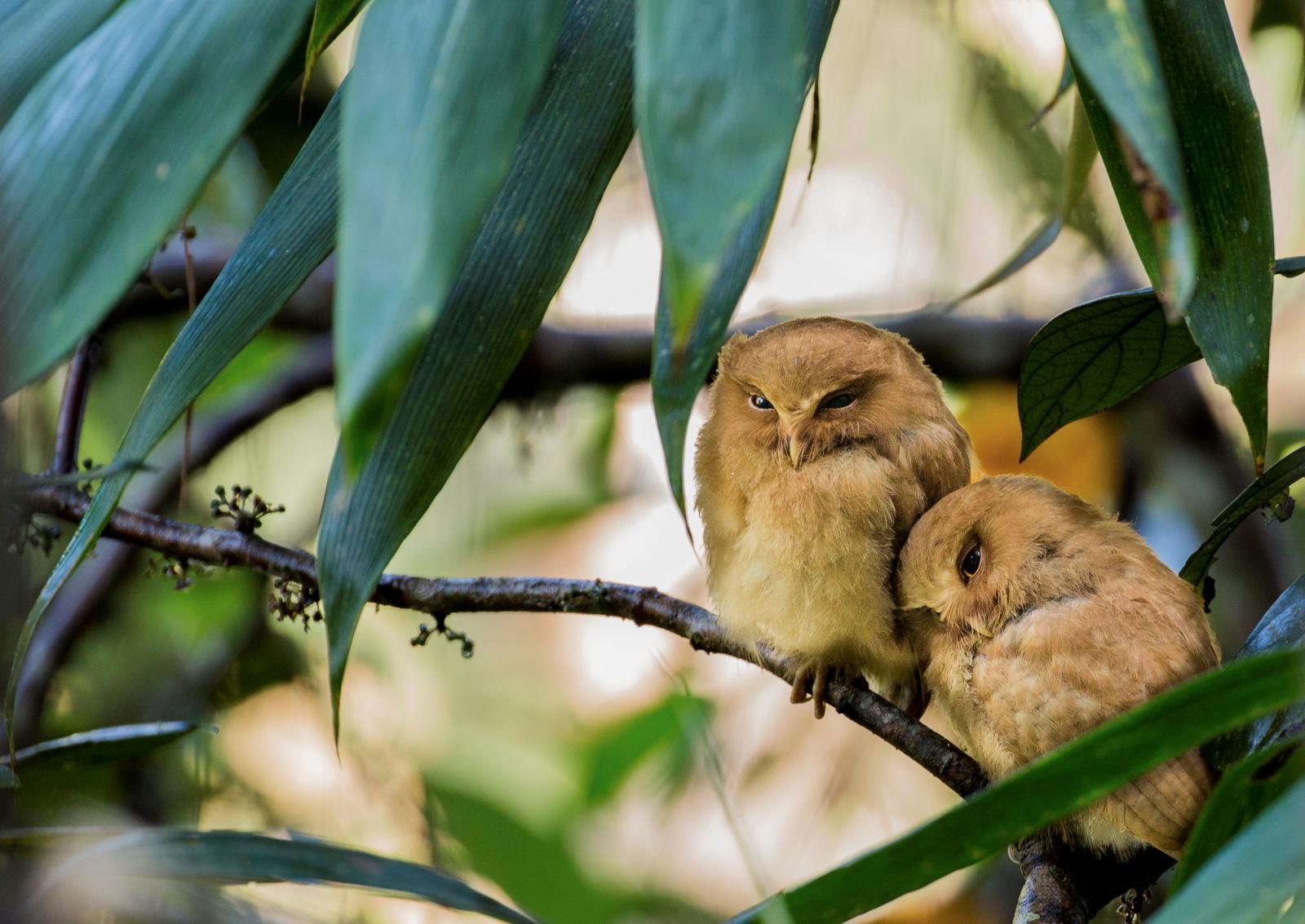
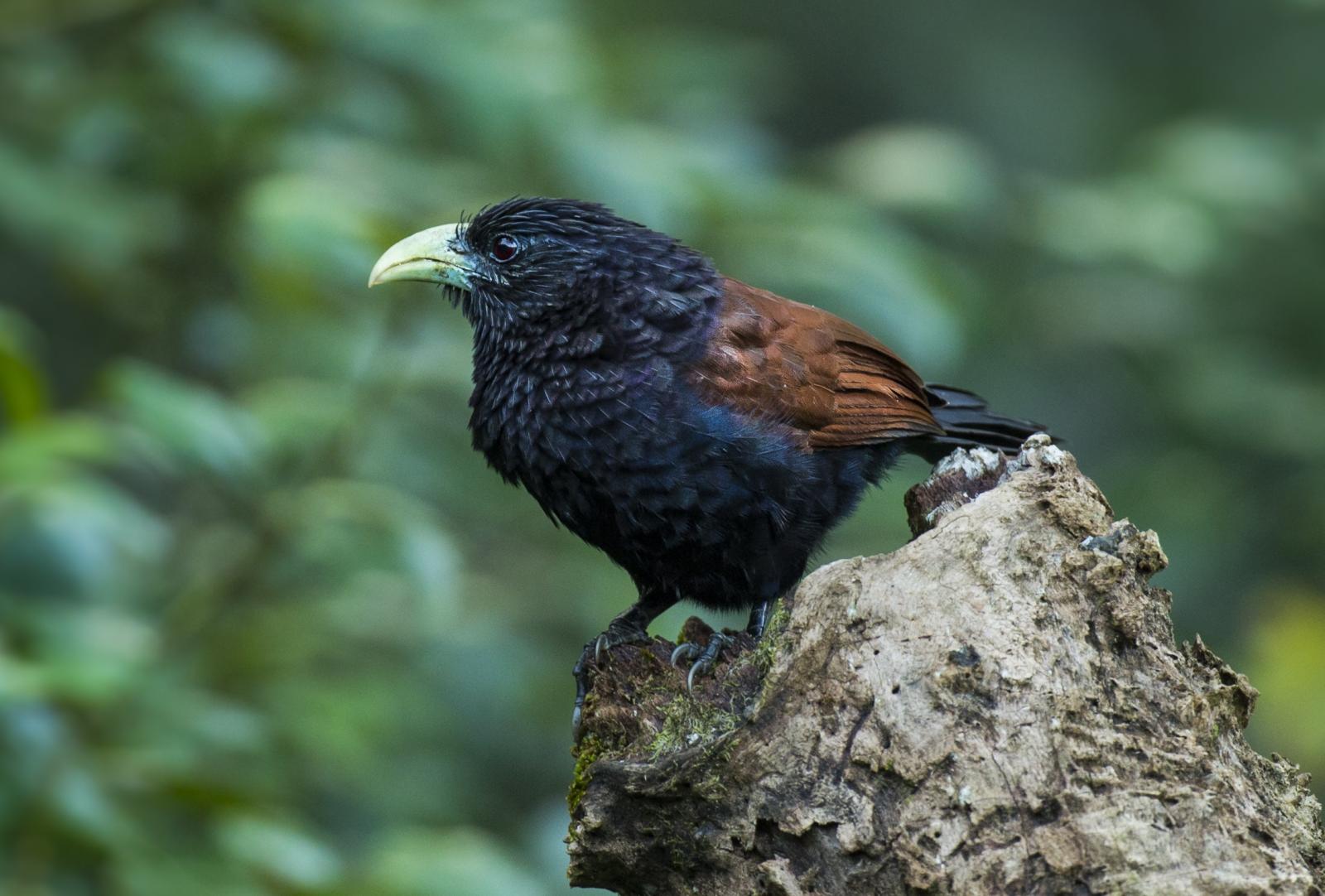
Early morning set off into the lush lowland rainforest of Makandawa, which is across the mighty Kelani River. This is one of the best places to view some of the endemics from the lowlands, such as the Green-billed Coucal, the Ashy-headed Laughing-Thrush, as well as rarities such as the endemic Chestnut-backed Owlet.
Spend the full day exploring the rainforest and surrounding villages and home gardens, which too are excellent for many species of endemics.
Day 10 - Kitulgala to Sinharaja
After one more session of birding in Kitulgala for any missing targets we will checkout and head towards Sinharaja, a UNESCO World Heritage Site and Sri Lanka’s largest tract of lowland rainforest, and arguably the most biodiversity rich area in the country.
After check-in and lunch at our hotel, we will have a quick rest before setting out for an afternoon of birding the lush rainforest. We will be accompanied by amazing local spotters who know the park inside out and will help us spot some of the many amazing bird species found in the surrounding region.
The basic composition of species one can find here is similar to Kitulgala but many are easier here. In particular, Sinharaja is renowned as the best spot for the Serendib Scops-Owl, a species only described to science in 2004. The local naturalists usually know of one or two roost sites for both this and the bizarre Sri Lanka Frogmouth. If we are truly lucky they might help us encounter of one of the most elusive and rarest birds, the Sri Lanka Bay Owl.
Days 11 & 12 - Sinharaja
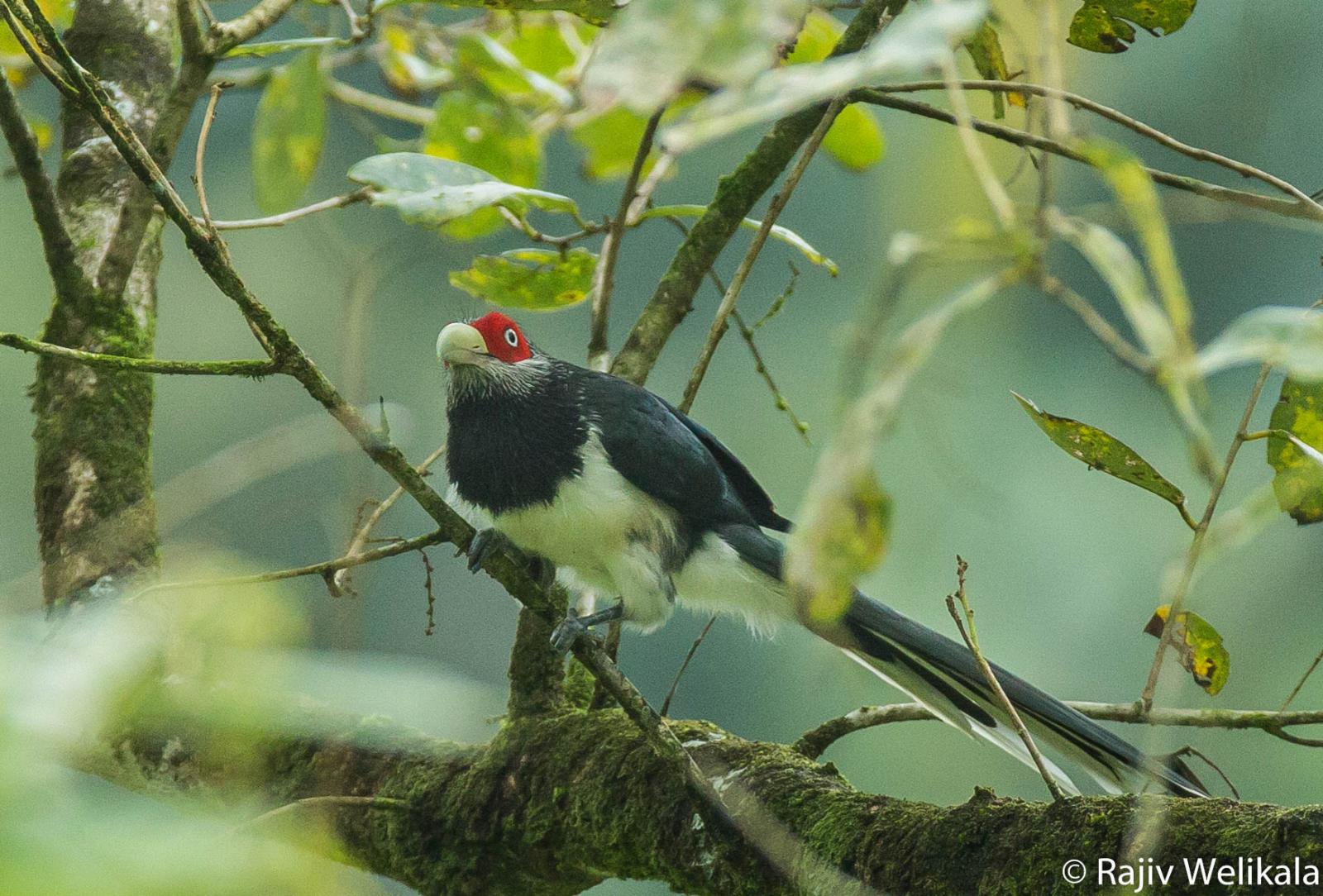
We will have the next two days to explore this exquisite rainforest ecosystem. We will be on the lookout for the large mixed feeding flocks where we will have chances to see many endemics like the White-faced Starling, Red-faced and Green-billed malkohas, several species of babblers and many more. Sri Lanka Mynas are to be looked for on prominent perches in the canopy while overhead we will scan the skies for Brown-backed Needletails and Crested Treeswifts as well as raptors including Legge’s Hawk-Eagle and Black Eagle.
In the undergrowth and on the forest floor we will keep our eyes peeled for skulky species such as Asian Emerald Dove, Spot-winged and Sri Lanka thrushes and the coveted Sri Lanka Spurfowl, a very shy and skittish bird.
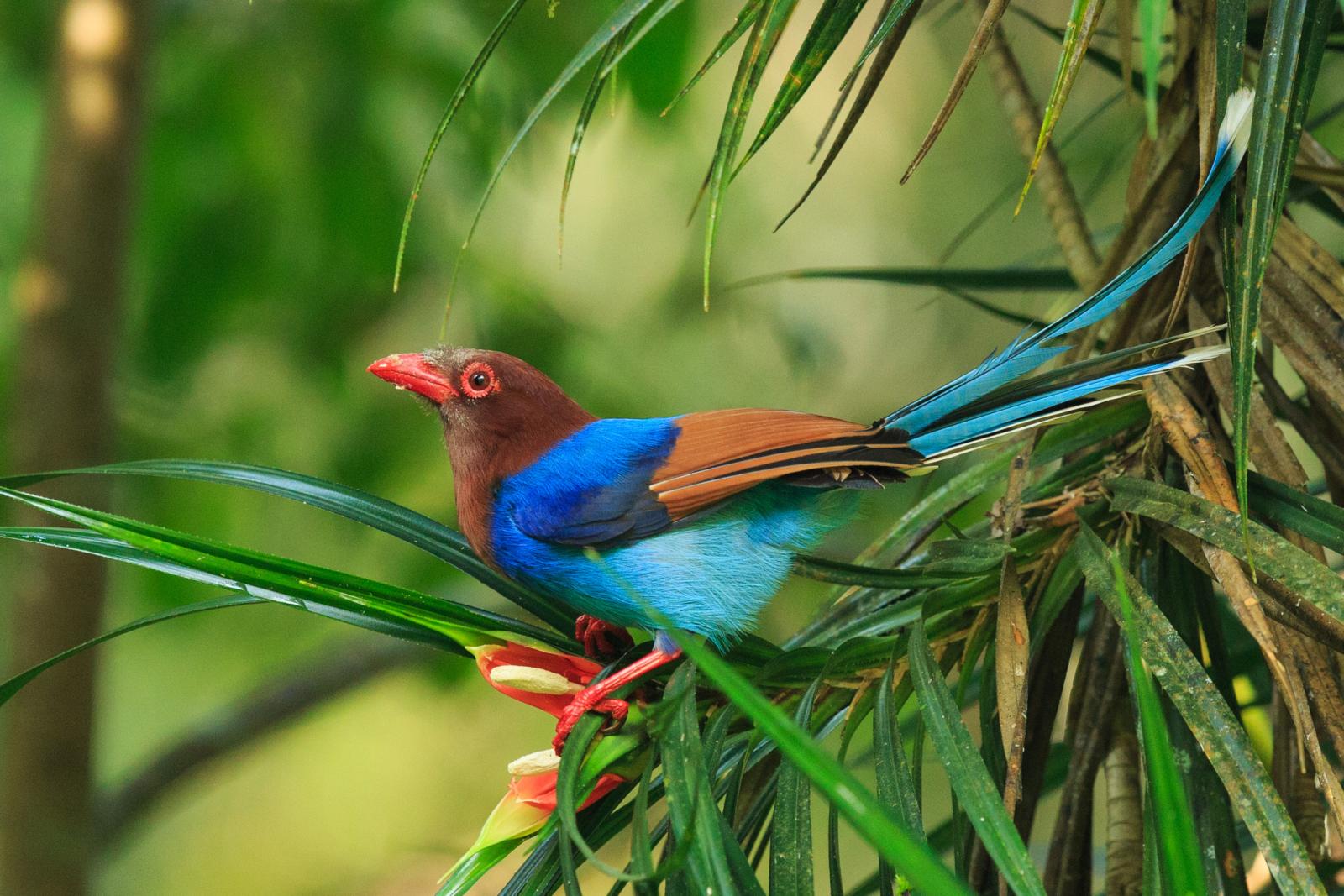
One of many star birds at Sinharaja is the Sri Lanka Blue Magpie which can sometimes be seen right around the park buildings and accommodations. Sometimes this stunning bird can be easy and other times it can make one work for it! Other key birds here include Crimson-backed Flameback and Legge’s Flowerpecker.
The rainforest is filled with amazing wonders besides birds, such as the endemic and beautiful Green Pit Viper, Lyre Headed Lizard, Sri Lanka Kangaroo Lizard and many other amazing reptiles and the endemic Purple Faced Leaf Monkey.
Day 13 - Sinharaja to Mirissa
After a final couple hours at Sinharaja to cover any bird species we might have missed, we will check-out and journey south towards the coast with a packed lunch.
We will do something a bit different than what we have done thus far on the trips and hop on a boat for a river cruise on the Nilwala River which will bring us up close with the largest reptile on the planet the Saltwater Crocodile. This riverine eco system has the highest concentration of these giant reptiles (reaching as big as 18 feet!). We will also spot many water birds and riverside species including herons, egrets, kingfishers and more.
When we return back to dry land we will head to our hotel in Mirissa for check in, followed by dinner and overnight stay.
Day 14 - Mirissa Whale watching
This morning we will take our packed breakfast and make the short trip to the Mirissa Fisheries Harbour and head out to sea to look for the largest animal that has ever lived, the Blue Whale! Mirissa, in southern Sri Lanka, is regarded as one of the world’s top location for watching Blue Whales with sightings occurring on most mornings during the season which spans from November through to April. Pods of Spinner Dolphin are seen on most mornings while Bryde’s Whale, Sperm Whale, Orca, Risso’s Dolphin, Bottlenose Dolphin and Striped Dolphin are among the other species of cetaceans which are intermittently seen.
We will of course also keep an eye out for any pelagic birds as well. While not particularly productive for birds, terns such as White-winged, Whiskered, Bridled and both Lesser and Greater Crested are regularly to be found. The occasional jaeger and shearwater (most likely Wedge-tailed or Flesh-footed) can make an appearance as well.
After our oceanic adventure we will return back to dry land and head back to the hotel for lunch.
As this is the final full day of the tour, we will spend the remainder of the afternoon at leisure by the beach or birding the quiet environs around the hotel.
Day 15
After breakfast, we will checkout from and head towards the airport (2.5 hours drive) where the tour will end.