Day 1 - Arrival in Windhoek, Namibia's capital city, and spend night at nearby hotel.
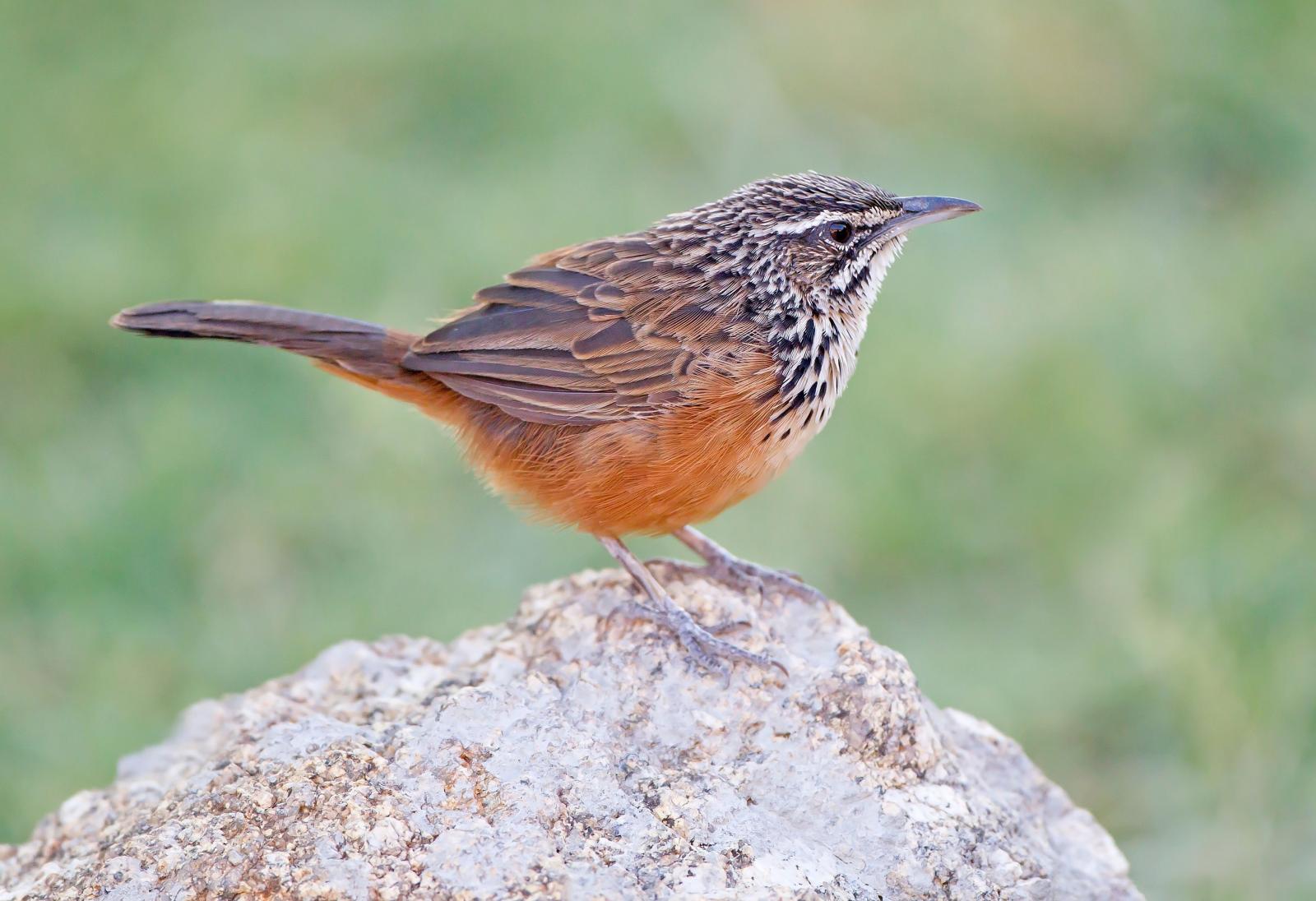
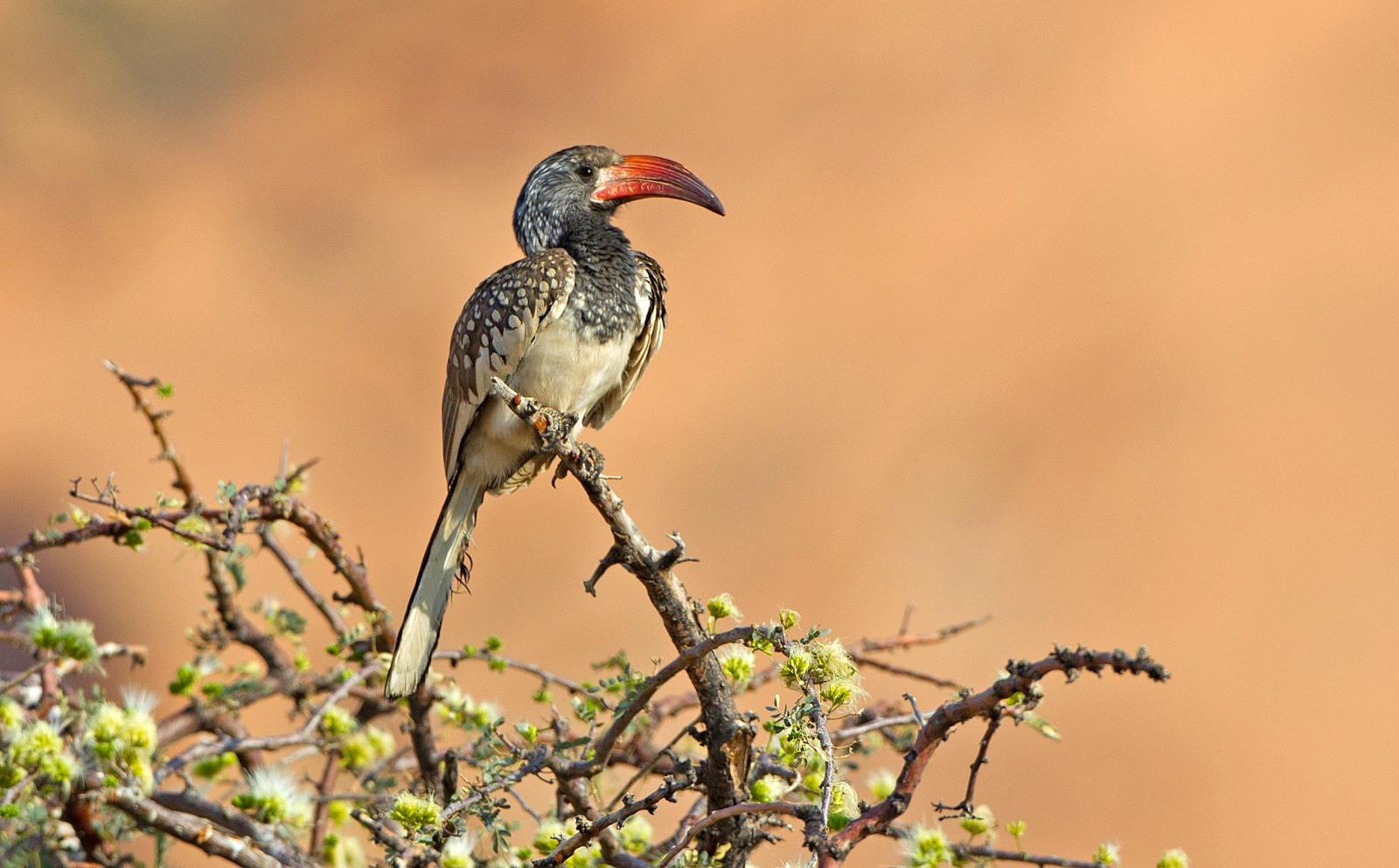
Day 2 - After breakfast at Windhoek, we’ll head straight for the magnificent granite domes of the Erongo Mountains near the town of Omaruru, where many specials wait such as Rockrunner, Hartlaub’s Spurfowl, Short-toed Rock-Thrush, White-tailed Shrike, Monteiro’s Hornbill, Damara Hornbill, Carp’s Tit, Pale-winged Starling and the ever popular Rosy-faced Lovebird. We’ll have a full day here to maximize our chances of finding these birds as well as mammals such as Klipspringer, Dassie Rat and the scarce and poorly known Black Mongoose, a Namibian near-endemic. Night Omaruru.
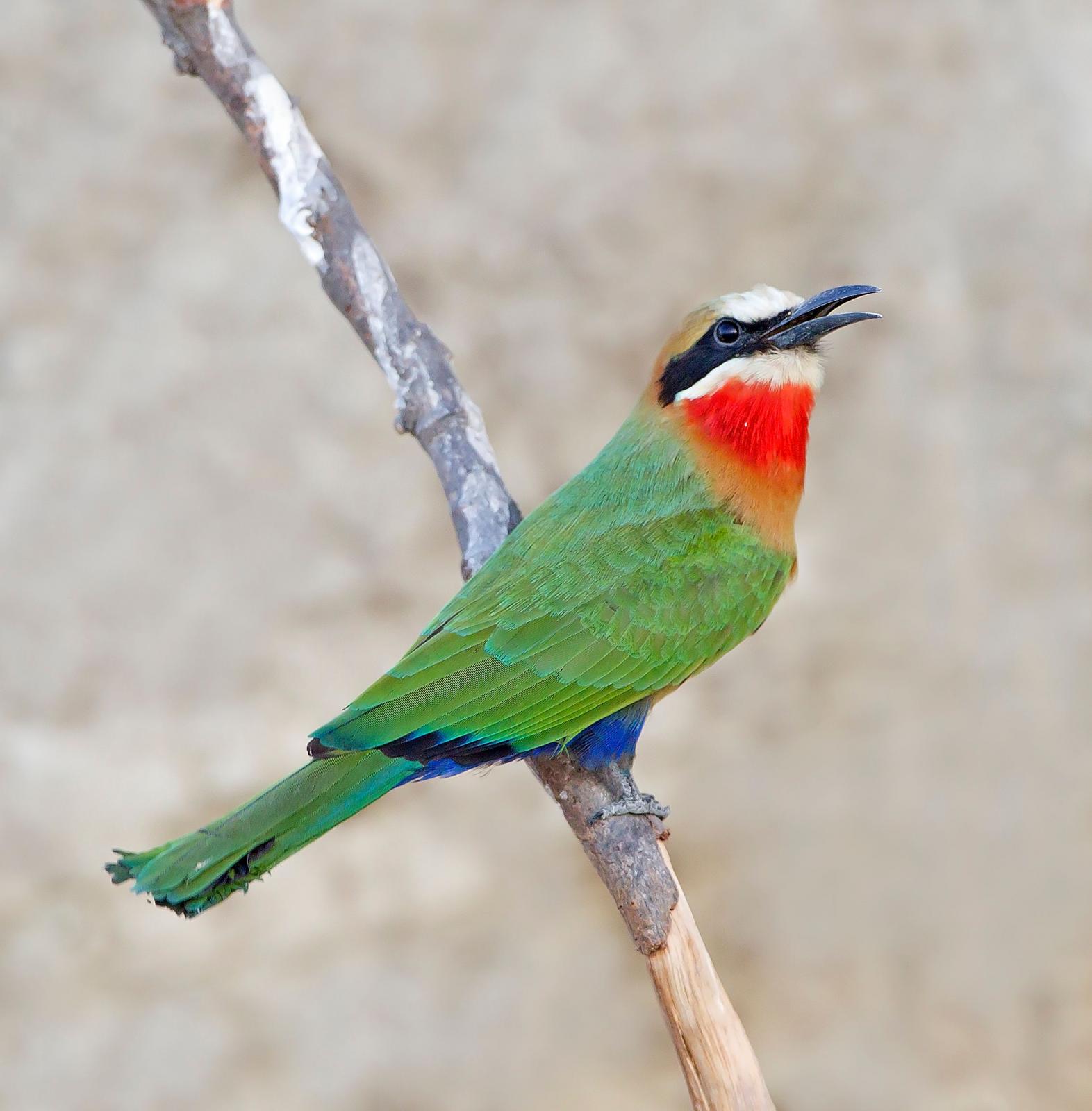
Day 3 - Today we have a full day of birding in the Erongo Mountain region. The highest peak in the range, Mount Erongo, stands at 2350 meters in elevation. A vast array of birds can be found here. Ponds and wetlands house birds such as South African Shelduck, Cape Teal, Pied Avocet, Little Egret, Crowned Cormorant, and Eurasian Moorhen to name a few species. Other species like Gray Go-away-birds, Ruppell's Bustard, Pale Chanting-Goshawk, Swallow-tailed Bee-eater, Rock Kestrel, Chestnut-vented Warbler and many more are possible today. Night Omaruru.
Days 4 & 5 - We will take our time as we travel to Walvis Bay this morning, stopping along the way to look for birds at Spitzkoppe. Here, amongst the huge volcanic inselbergs, we will look for one of Namibia's trickiest near-endemics, the Herero Chat. Other species to watch for at Spitzkoppe include Ruppell's Korhaan, Augur Buzzard, Mountain Wheatear, Ashy Tit, Bradfield's Swift, Dusky Sunbird, Stark's and Karoo Long-billed larks and Layard's Tit-babbler, to name a few.
Our destination for the day, Walvis Bay, is one of southern Africa's premiere wetland areas. An array of shorebirds can be found here, including Chestnut-banded and White-fronted plovers, African Black Oystercatcher, Eurasian Whimbrel, Bar-tailed Godwit, Common Greenshank, Curlew Sandpiper, Ruff, Little Stint and several additional species. Walvis Bay is a good area to look for the endangered Damara Tern, as well as both Greater and Lesser flamingos. In the surrounding deserts, we will look for Namibia's only true endemic bird, the Dune Lark. Most other near endemics also extend slightly into Angola. Nights at Walvis Bay.
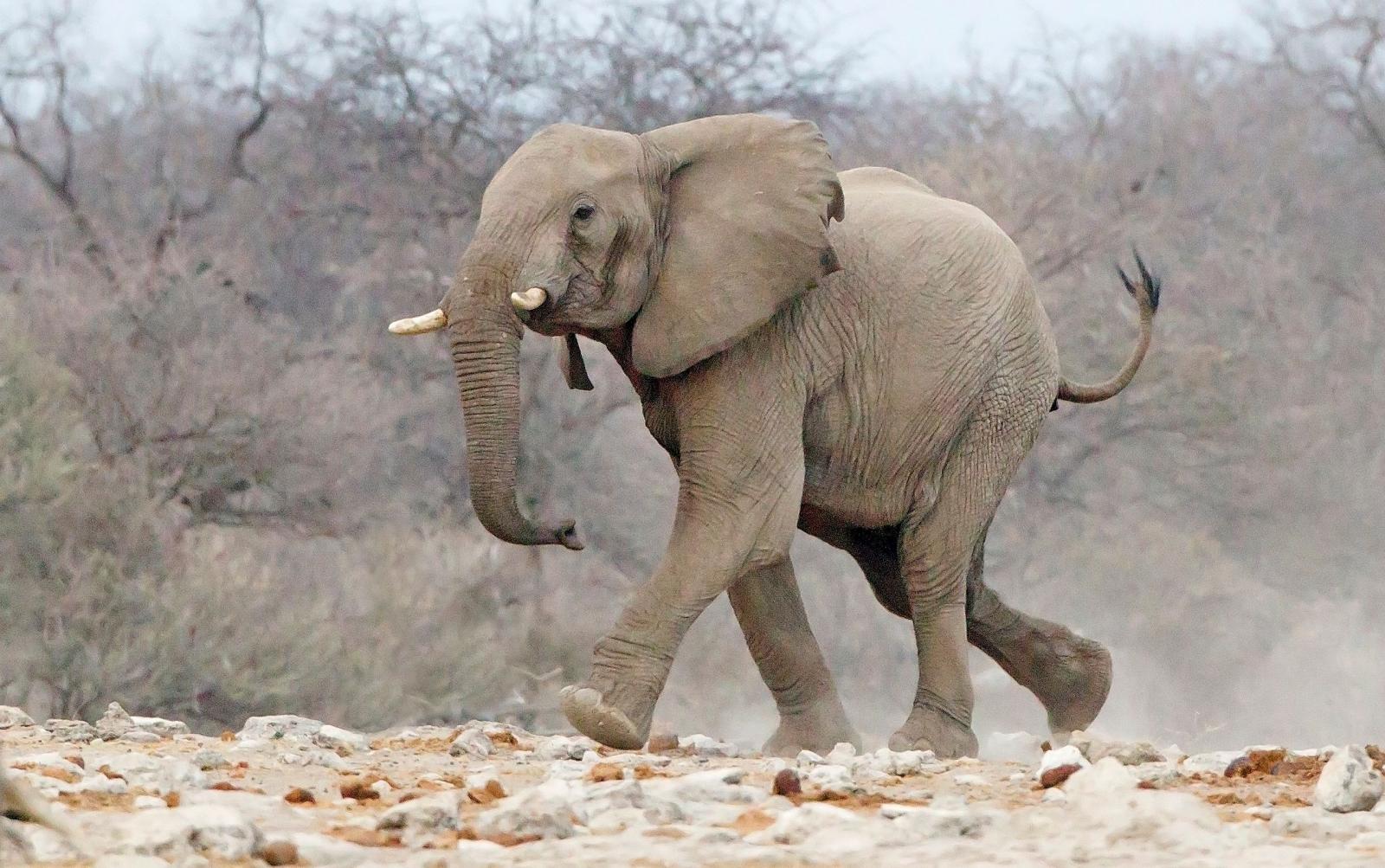
Day 6 - This morning we make our way to Brandberg, Namibia's tallest mountain at 2573 meters. With this massive mountain as the backdrop, we will explore gravel plains, home to birds like the Benguela Long-billed Lark, Gray's Lark, Tractrac Chat, Ludwig's Bustard, Ruppell's and Northern Black korhaans, Burchell's and Double-banded coursers and the lovely Namaqua Sandgrouse. Along the bed of the Huab River, we have a chance at glimpsing the rare desert-adapted Elephant. Night at village of Uis.
Days 7 to 10 - Leaving Brandberg, we head north and enter Etosha National Park which is one of southern Africa’s finest and most important wildlife preserves. Etosha, meaning “Great White Place”, is dominated by a massive mineral pan which covers around 25% of the Park. The pan is a large depression of salt and clay that fills only in years of exceptional rainfall, and even then only holds water for a short time. The perennial springs along the edges of the pan draw large concentrations of wildlife and birds. Mammal viewing is excellent with Black Rhino, Lion, Cheetah, Leopard, Spotted Hyaena, large herds of Gemsbok (Southern Oryx) and Springbok, Red Hartebeest, Blue Wildebeest, Burchell’s Zebra, Damara Dik-dik, and the near endemic Black-faced Impala just some of the possibilities. The arid woodlands and grassy plains surrounding the pan is home to birds such as Common Ostrich, Kori Bustard, Blue Crane, Red-necked Falcon, Double-banded Courser, & Southern Pale Chanting Goshawk. The rest camps are excellent places for birding and should give us Sociable Weaver, Double-banded Sandgrouse, Verreaux’s Eagle-Owl, Bare-cheeked and Southern Pied babblers, Damara Hornbill and Violet-eared Waxbill. Accommodation options within the national park are very limited and we sometimes stay for some nights at lodges on the edge of the park and enter the park when the gates open.
Day 11 - Rundu, a small town on the Kavango River is the gateway to the Caprivi Strip, a narrow sliver of northeastern Namibia steeped in history. The woodlands and wetlands around Rundu are home to a number of northern specials. Birds associated with the river and surrounding wetlands include Lesser Jacana, Allen’s Gallinule, Rufous-bellied Heron, Luapula Cisticola, Blue-cheeked Bee-eater and Swamp Boubou. At dusk there is always a possibility of African Hobby, and later resident African Wood-Owl could entertain us with its soft hooting call. The impressive teak woodlands could produce a mixed bird party containing Rufous-bellied Tit, Tinkling Cisticola, Green-capped Eremomela, Grey Penduline-Tit, White-breasted Cuckooshrike, Stierling’s Wren-Warbler, African Golden Oriole, Yellow-throated Petronia and Green-backed Honeybird. Other possibles include Bradfield’s Hornbill, Sharp-tailed Starling and Souza’s Shrike. Interesting raptors could include Ayre’s Hawk-Eagle, Dark Chanting Goshawk and Dickinson’s Kestrel. Night at Rundu.
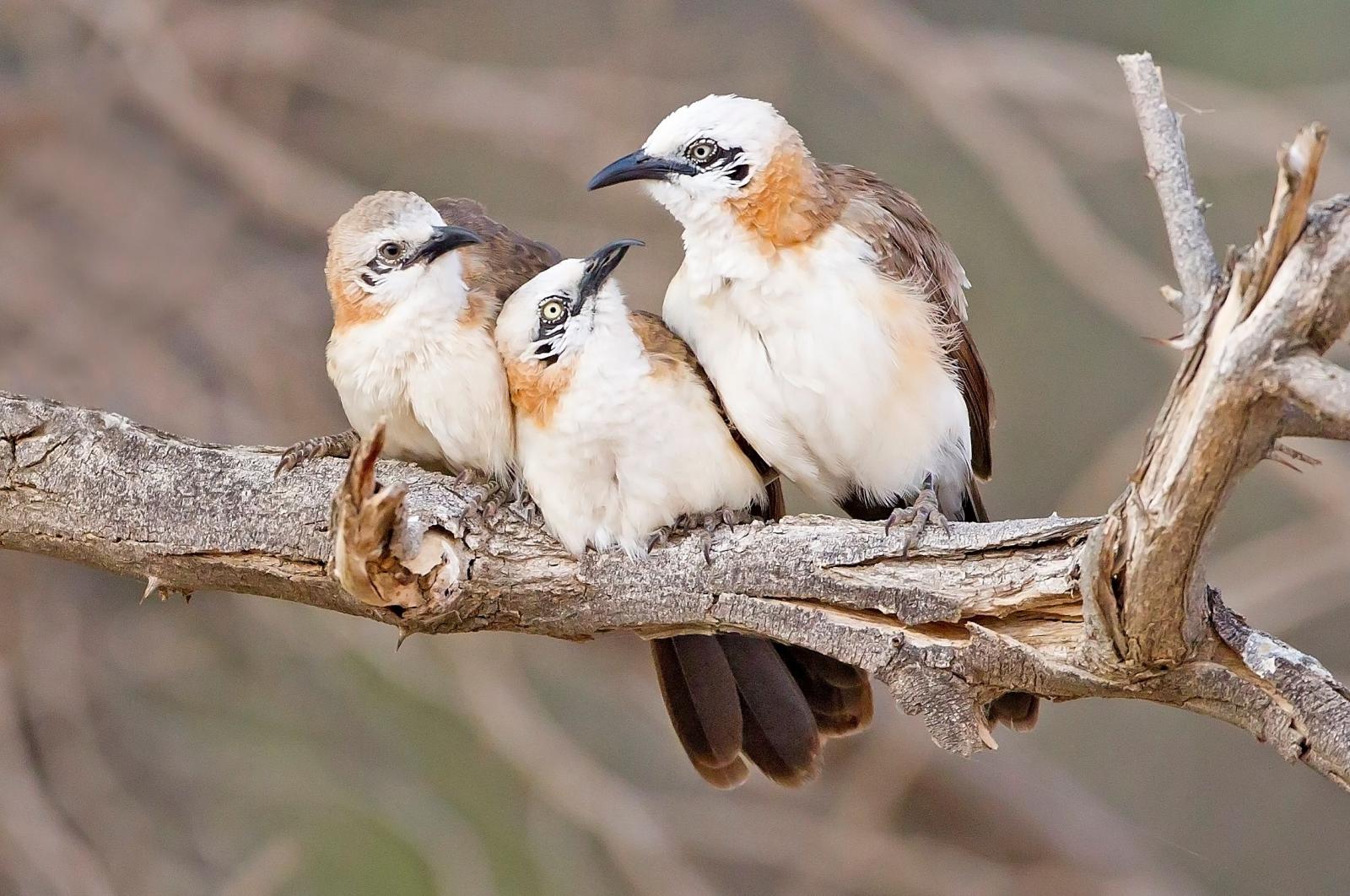
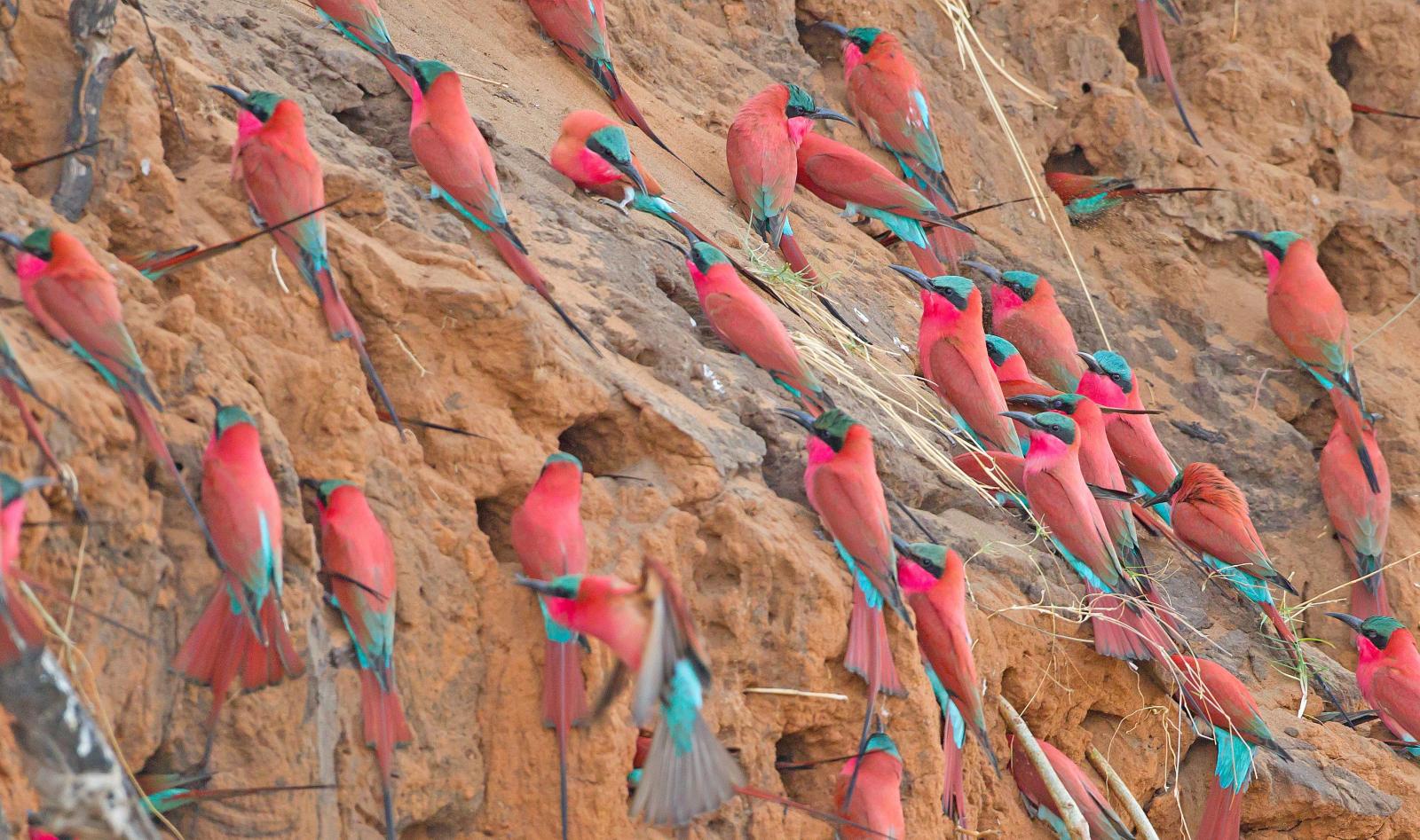
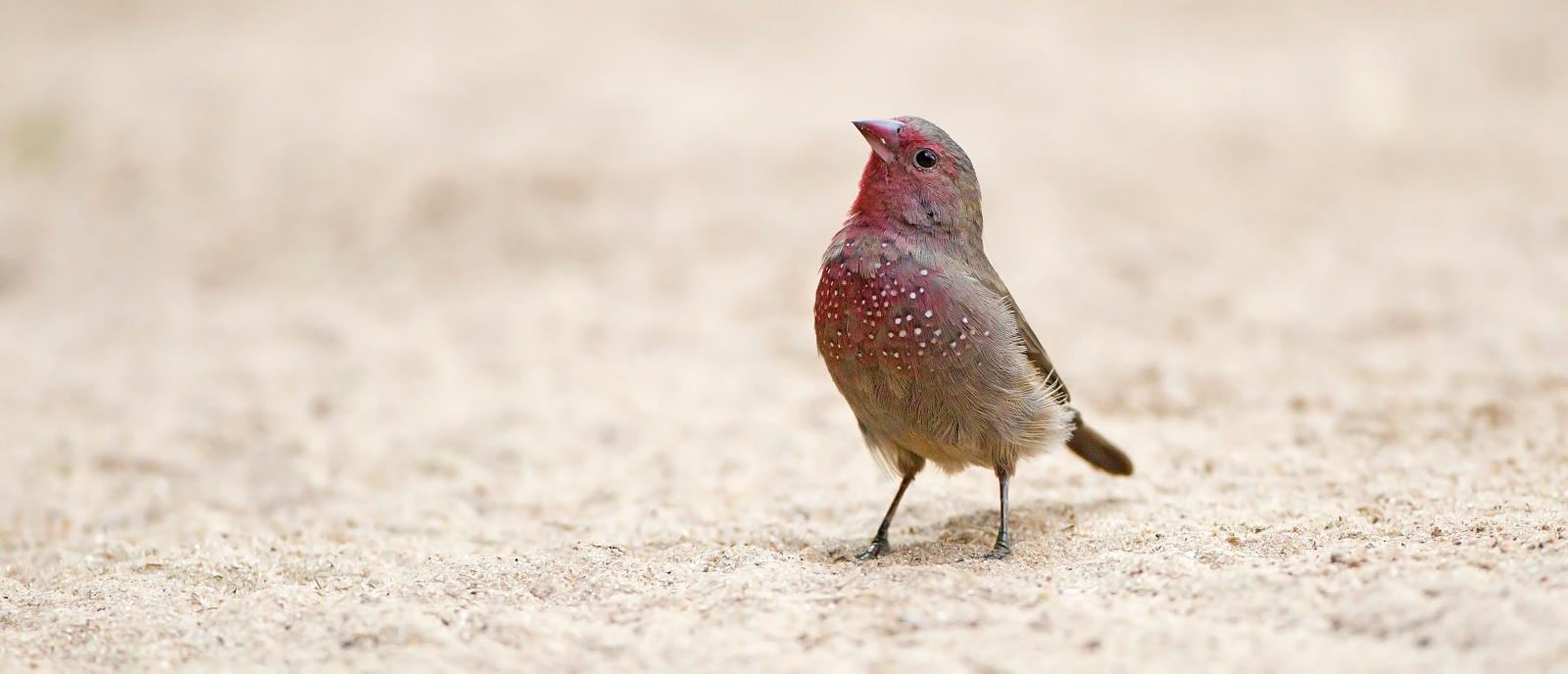
Days 12 & 13 - Situated in Botswana along the upper reaches of the Okavango Delta, Shakawe is often referred to as the “panhandle”. We have two full days to explore this magical place of secluded islands, papyrus swamp and meandering waterways. Walks through lush riparian forest should reveal Pel’s Fishing-Owl, arguably Africa’s most desired owl. Other possibilities include Western Banded Snake-Eagle, African Barred Owlet, Collared Sunbird, Retz’s Helmet-Shrike, Thick-billed Weaver, Yellow-breasted Apalis, Terrestrial Brownbul, Meves’s Starling, African Paradise Flycatcher and Brown Firefinch. There are often noisy flocks of Hartlaub’s Babbler around camp and White browed Robin-Chats continually call from the thickets. A boat cruise along papyrus-fringed channels and into lily-covered backwaters provide the opportunity of seeing Slaty Egret, African Pygmy Goose, White-backed Night-Heron, Coppery-tailed Coucal, Greater Swamp-Warbler and Chirping Cisticola. The Shakawe area is renowned for its breeding colonies of Southern Carmine Bee-eaters in spring and early summer, and this is also a good time to see African Skimmer. Nights at Shakawe.
Day 14 - Back into Namibia we’ll explore the Mahango Game Reserve just beyond the border. This reserve stretches along the Okavango River floodplain and also comprises large tracts of acacia and broad-leaf woodland. It is regarded as one of southern Africa’s top birding spots and should produce Wattled Crane, Long-toed Lapwing, African Skimmer, Slaty Egret, Collared Pratincole, African Marsh-Harrier, Southern Brown-throated and Golden weavers, Grey-headed Kingfisher, Dickinson’s Kestrel, Bateleur and African Mourning Dove. Areas with rocky rapids further upstream could have Rock Pratincole at certain times of the year. Mahango is great for mammals such as Sable and Roan Antelope, Tsessebe, Red Lechwe, Sitatunga and Hippopotamus. Night at the Mahango Reserve.
Day 15 - Our last stop is the impressive Waterberg Plateau Park with its imposing brick-red sandstone formations and lush woodlands. Bradfield’s Swift is usually overhead and the woodland holds Rüppell’s Parrot, Bearded Woodpecker, Grey-backed Camaroptera, both Violet and Green Wood-Hoopoes, Marico Flycatcher, Crimson-breasted Shrike, Red-billed Spurfowl and Green-winged Pytilia. The rocky areas offer another chance at specials like Rockrunner, Hartlaub’s Spurfowl and Short-toed Rock-Thrush. Waterberg is good for raptors and African Hawk-Eagle, Verreaux’s and Booted eagles, Augur Buzzard and Cape, White-backed and Lappet-faced vultures may be seen. In summer various cuckoo and warbler species are also present, making for non-stop birding action!
Day 16 - After a last mornings birding we sadly head back to Windhoek. The day will be dictated by return flights but there may be some opportunities for birding en route.