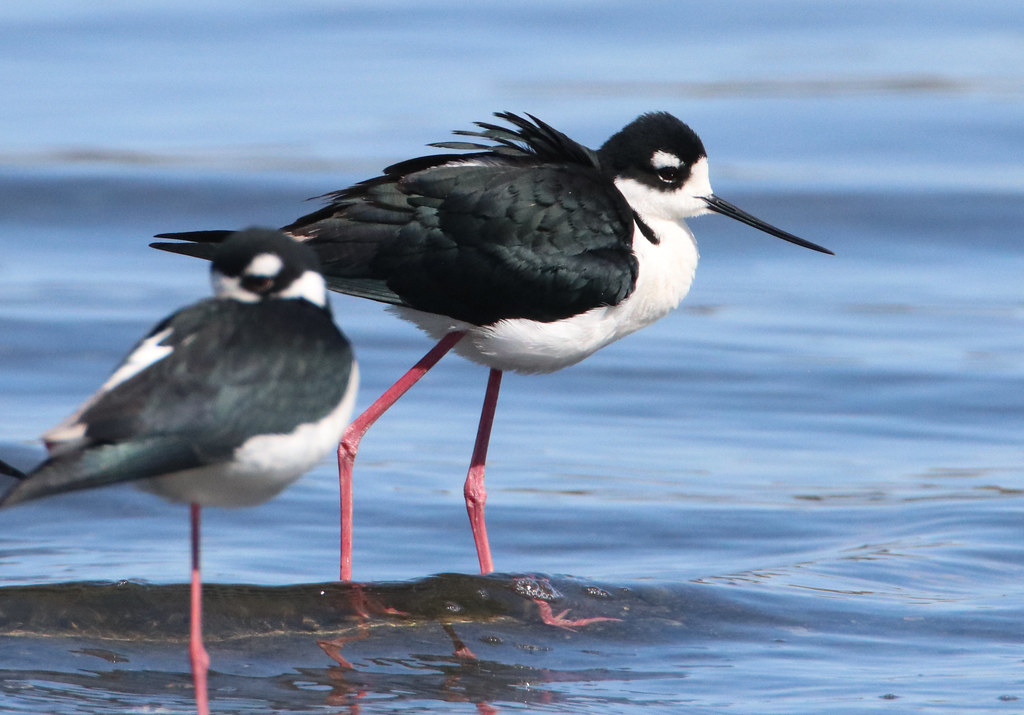
Day 1 - Our tour starts this morning in Kelowna. Our first stop will be at Robert Lake, where with any luck we'll see some interesting shorebirds, including Black-necked Stilt, American Avocet and Wilson's Phalarope, amongst others. Robert Lk is great for waterfowl, so we should get nice looks at Ruddy Duck, Redhead, and Eared Grebes. Marsh birds like Yellow-headed Blackbird, Common Yellowthroat and American Coot are also regulars here, and with any luck we'll hear, or maybe even see a Virginia Rail, or a Sora.
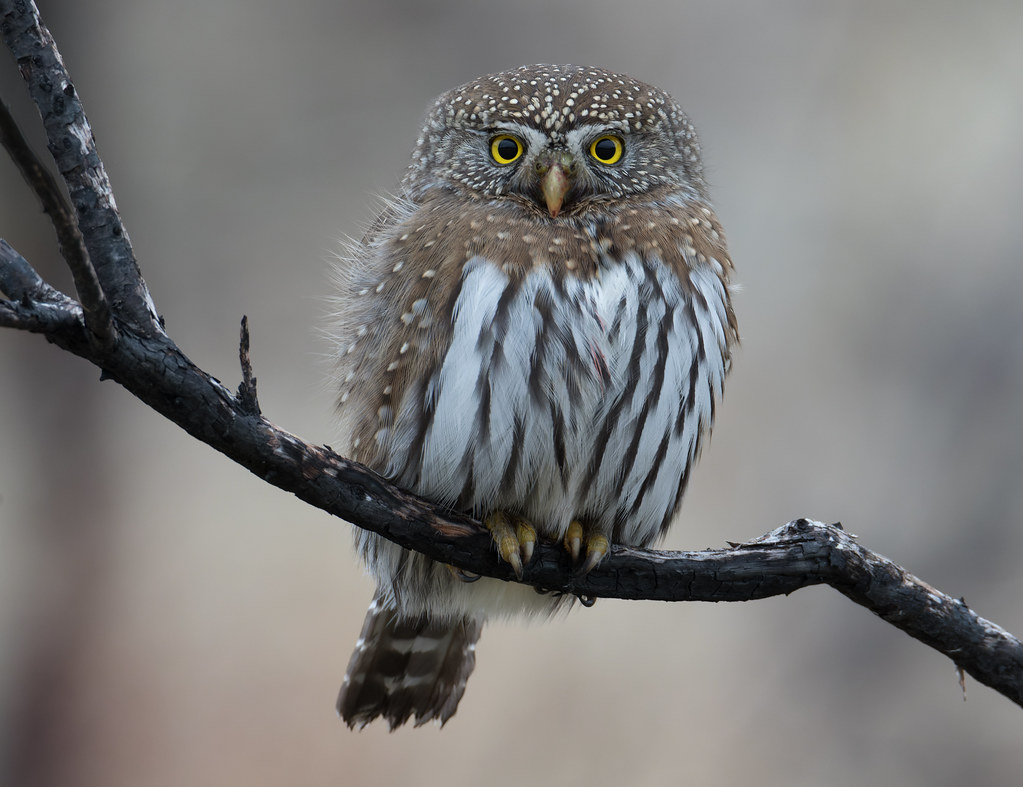
We'll then make our way up Beaver Lake Road, exploring grasslands, home to Western and Mountain bluebirds, Western Meadowlarks, both Eastern and Western kingbirds, Say's Phoebes, Vesper Sparrows, Lazuli Bunting, and several species of raptors, including Golden Eagle. In the forest, we'll watch for all three local types of grouse (Ruffed, Dusky and Spruce, in order of how often they are seen). Woodpeckers to watch for include Pileated, Downy, Hairy and American Three-toed, as well as Red-naped Sapsuckers. Warblers such as Townsend's, MacGillivray's, Wilson's, and Orange-crowned can be expected. Once we're in the upper elevation forest, we will start to encounter birds like Steller's and Canada jays, Mountain and perhaps Boreal chickadees, Red Crossbill, and maybe even White-winged Crossbill and Pine Grosbeak. Sometimes, Northern Pygmy-Owls are spotted along this route, so we'll keep our eyes peeled for tiny owls atop trees.
If conditions permit, we may venture out this evening to look for Flammulated Owl, Common Poorwill and other nocturnal species.
Day 2 - This morning, we'll continue visiting some of the local hotspots in Kelowna, checking for migrants, which should be numerous at this time of year. We'll check for roosting Western Screech-Owls if we haven't seen any yet. From Kelowna, we'll head south to Peachland, where a short walk up a stream may yield an American Dipper, as well as other birds like Veery, Western Warbling Vireo, Spotted Towhee, Pygmy Nuthatch and more.
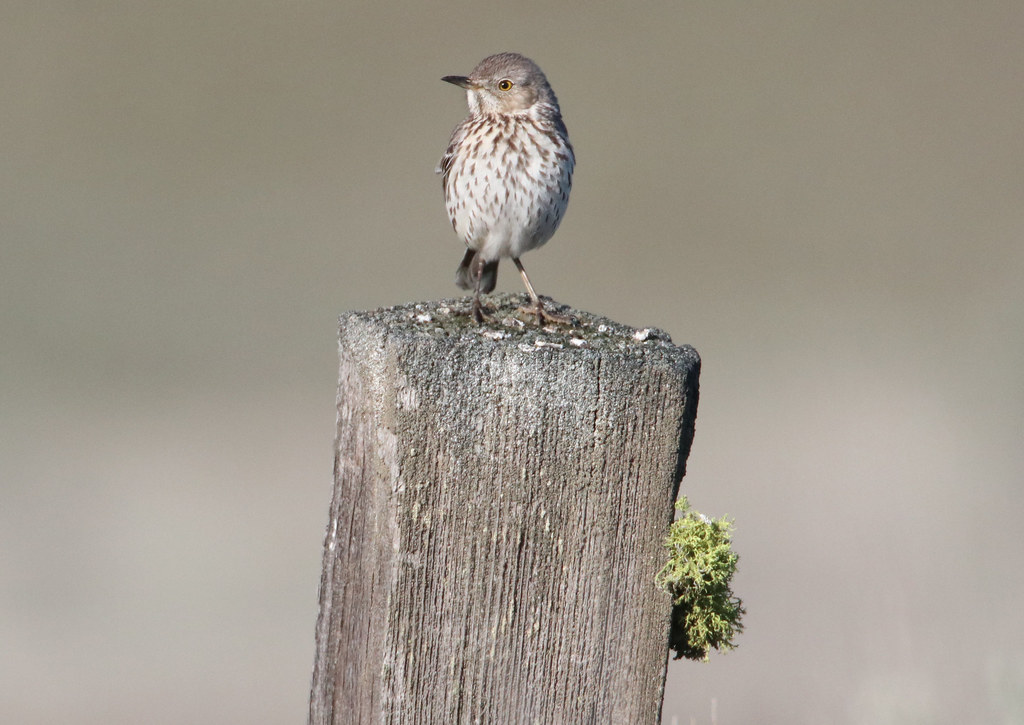
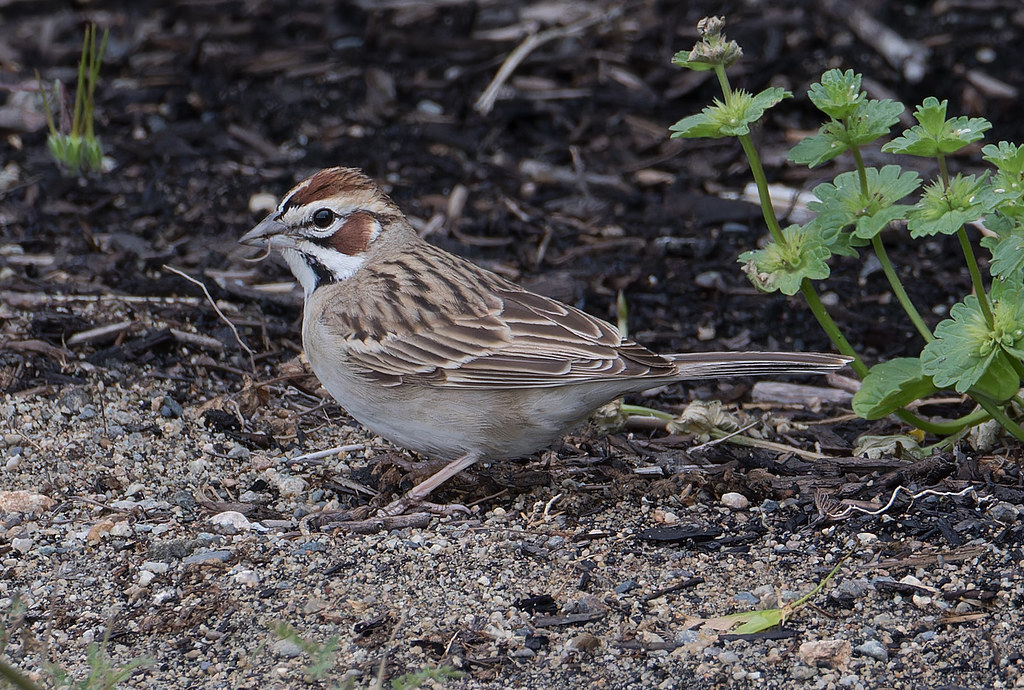
At White Lake, we'll search through the sagebrush for uncommon birds like Brewer's, Clay-colored and Lark sparrows, as well as the endangered Sage Thrasher and other open country birds. A walk through the pines near Mahoney Lake may produce all three nuthatch species local to the area (Red-breasted, White-breasted and Pygmy), as well as Gray Flycatcher, Western Tanager, Northern House Wren and Cassin's Finch.
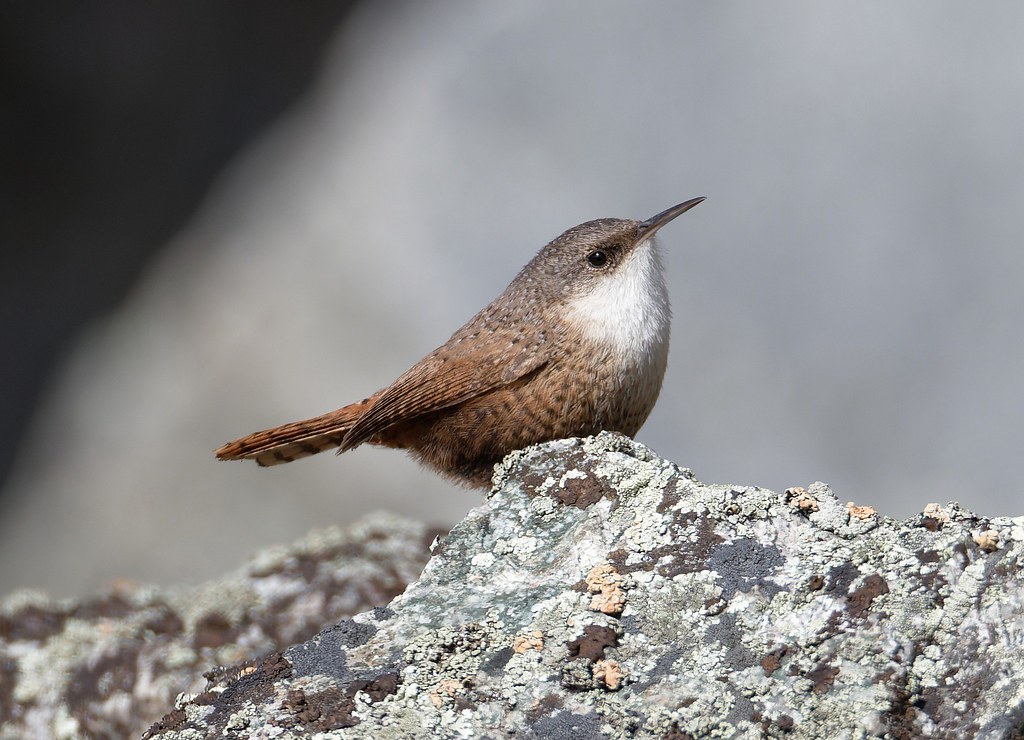
The cliffs at Vaseux Lake are home to Canyon and Rock wrens, White-throated Swifts, and Golden Eagles, as well as a resident herd of California Bighorn Sheep. Down at the lake itself, we can explore the boardwalk for birds like Cedar Waxwing, Bullock's Oriole, Yellow-breasted Chat, Black-headed Grosbeak and Bewick's Wren, to name a few species. We'll spend the night in Oliver.
Day 3 - This morning we'll visit Road 22, near the north end of Osoyoos Lake. Birds to watch out for include Bobolinks in the hayfields, Northern Harriers, Bald Eagle, Osprey, Yellow-breasted Chat, Belted Kingfisher, Least Flycatcher, and much more. Cliffs nearby, are home to Canyon and Rock wrens, if we haven't already seen them, and often to nesting Peregrine Falcons.
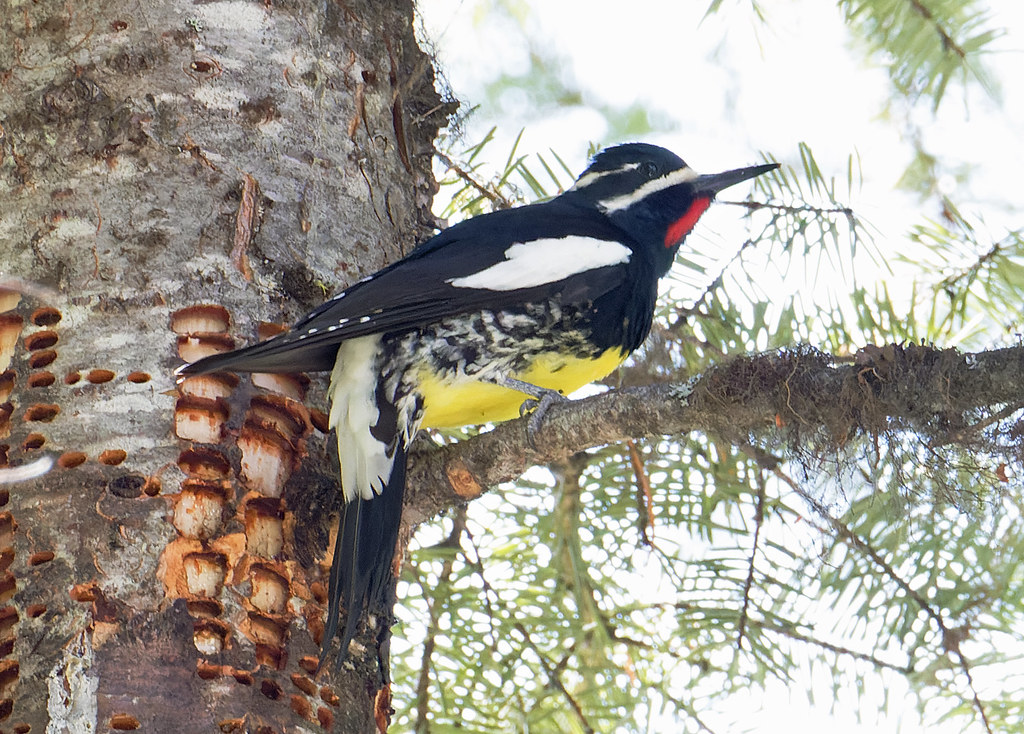
We'll spend much of the rest of the day investigating mountain habitats east of Okanagan Falls, where we hope to find birds like Williamson's Sapsucker, Northern Pygmy-Owl, Barred Owl, Ruffed Grouse, Pacific Wren and perhaps even an American Goshawk.
Optional evening outing to Road 22 to look for Great Horned Owls. Night Oliver.
Day 4 - If we haven't found Gray Flycatcher yet, we may venture up McKinney Road to try for that species. There are also excellent places to look for Black-chinned Hummingbird here. We'll then head over the Richter Pass, perhaps spotting Chukar on the way. We'll stop in at the Nighthawk Border Crossing, another excellent area for sagebrush loving birds like Sage Thrasher, Brewer's, Clay-colored and Lark sparrows, Western Kingbirds and Western Meadowlarks. Heading up the Similkameen Valley, we should see Lewis's Woodpeckers, and we can check fields in the Cawston / Keremeos area for Long-billed Curlews. We'll plan to arrive back in Kelowna by late afternoon, at which time our tour will conclude.