Day 1 - Arrival in Nairobi, Kenya’s capital city, and spend the night at a nearby hotel.
Day 2 - Today we will start by exploring Nairobi NP, located just south of the city. With a mix of open plains, riverine habitats, and woodland, the park is a great safari destination for birds and mammals. We can expect to see upwards of 150 species in our first morning as we get acquainted with Kenya’s avifauna. Highlights could include Hartlaub’s and White-bellied bustard, various raptors, Pagani Lonclaw, Short-tailed Lark, Red-throated Tit, and Moustached Grass-Warbler. This time of year is also great for a wide range of Palearctic migrants!
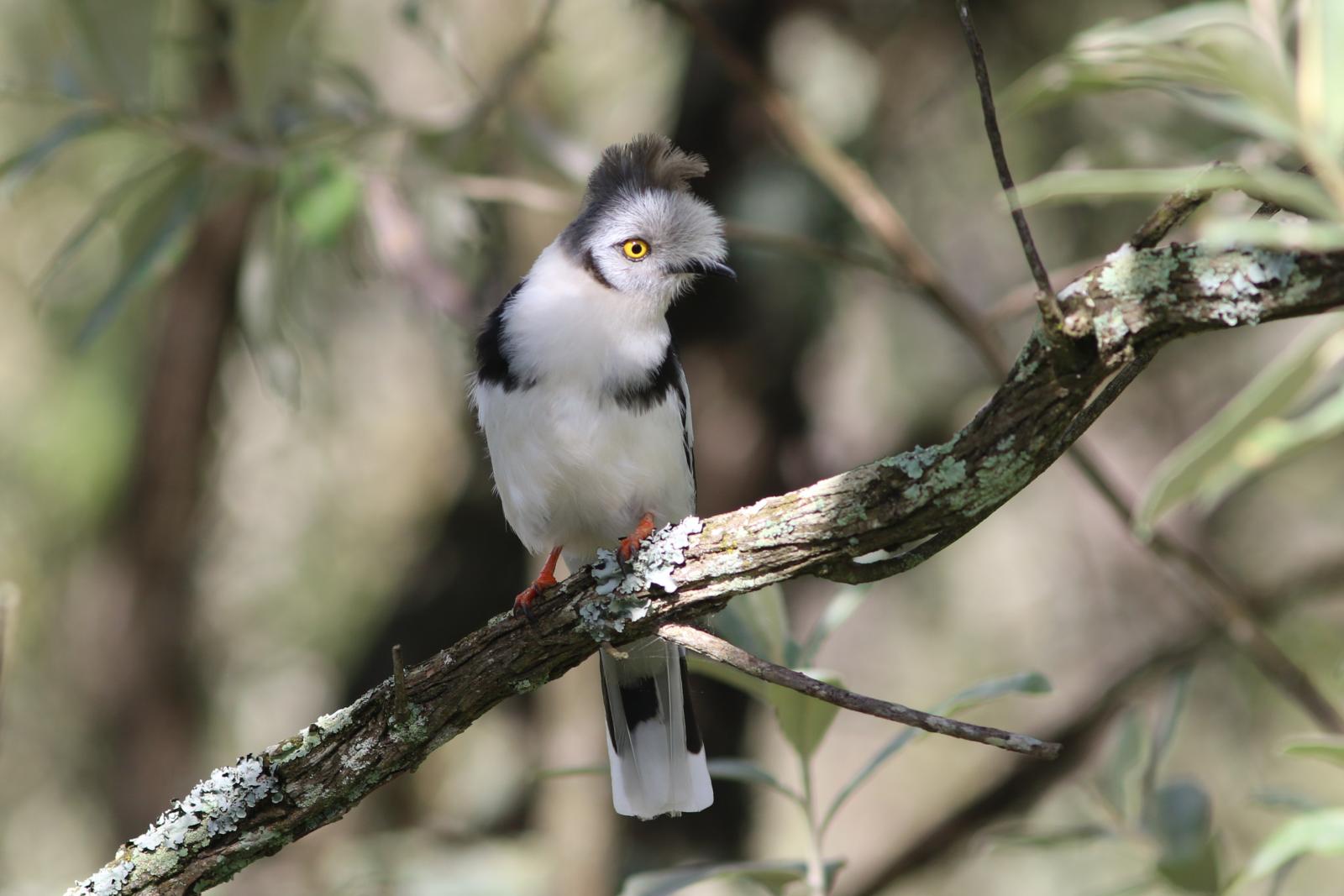
In the afternoon we will leave Nairobi and head to Lake Naivasha. If time allows, we will explore the acacia woodland surrounding the lake to look for the enigmatic Grey-crested Helmetshrike. Night at Lake Naivasha.
Day 3 - We begin the day with a boat ride on the main lake, offering close-up views of the abundant birdlife that thrives along its shores and open waters. We will also take time to explore the acacia woodland again. Later, we will begin the drive to Maasai Mara National Reserve, birding en route to search for the range-restricted Maasai Apalis. Night in Sekenani at the park entrance.
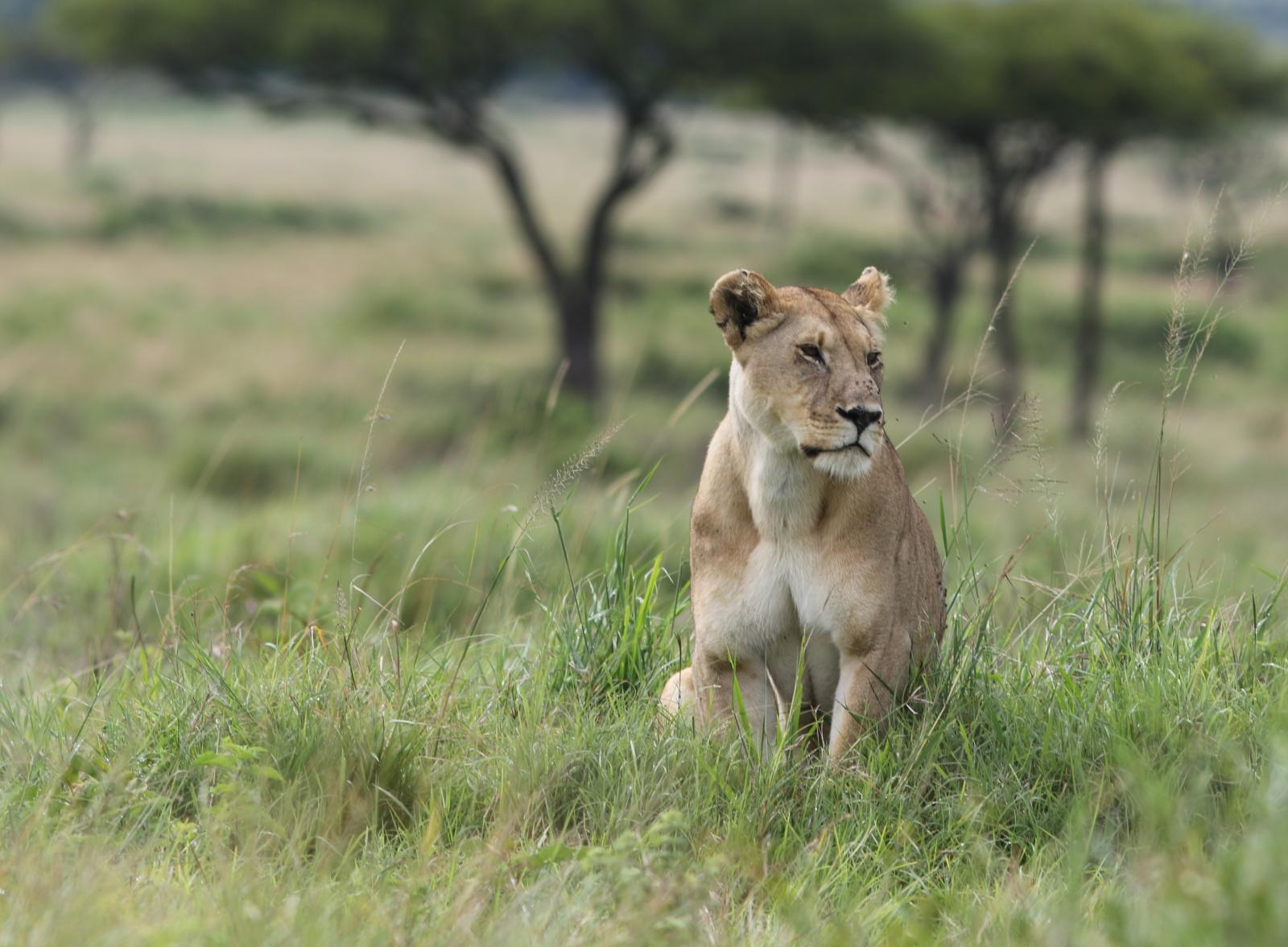
Days 4 to 6- For the next three days we will explore the Maasai Mara Reserve and Mara Triangle. This amazing Kenyan ecosystem is the northern part of the great plains of the Serengeti of Tanzania. The Mara is living poetry. It is a place where the landscape is alive with the last of the world's large animals, where the grass is punctuated by solitary trees, dotted with wetlands, and cut by rivers and streams with gallery forests guarding their banks. Here we have three days of classic African safari as we explore the main reserve on Day 1, and the Mara Triangle on Days 2 and 3. The reserve is home to the healthy populations of big cats including Lion, Leopard, and Cheetah, as well as up to 13 species of ungulates. Zebras, Giraffes, Hippos and Elephants are common, and we hope to spot Black Rhino as well. In addition to the mammals, the reserve is equally rewarding for birders, with over 500 recorded species. Iconic raptor species such as Secretarybird, Bateleurs, Martial Eagle, and Long-crested Eagle abound. Southern Ground Hornbills stalk the grasses that contain 9 species of cisticolas, 8 species of larks including Somali Short-toed Lark and Melodious (Latakoo) Lark. We will also search for more localized species such as the striking Magpie Shrike and Rufous-tailed Weaver. In addition to the plains of the Mara, we will explore the woodland and scrub of the Oloololo Escarpment where our lodgings overlook the plains below. Here was can spot the Schalow’s and Ross’ turacos, as well as Yellow-bellied Hyliota, Ashy Flycatcher, Green-backed Woodpecker, Golden-tailed Woodpecker, Purple-banded Sunbird, Familiar Chat, Trilling Cisticola, Rock-loving Cisticola, Fawn-breasted Waxbill, and many more. Nights at Mara West Camp.
Day 7 - Today we will leave early in the morning for Kisumu, arriving around noon for a boat ride on Lake Victoria to search for the area’s specialties. Common waterbirds are expected, and we hope to find the following specialties amongst the reedbeds: Papyrus Gonolek, Carruther’s Cisticola, White-winged Swamp Warbler, and the elusive Papyrus Yellow Warbler. After lunch we depart for the famed Kakamega Forest where we will spend the next two days. Night at Kakamega.
Day 8 & 9 - Kakamega Forest is the easternmost remnant of the great Guineo-Congolian rainforest, once stretching continuously from the Congo Basin into East and Central Africa. This unique ecosystem is home to over 380 tree species and an impressive 410 bird species, with 194 of them being forest-dependent. Among its avian treasures are two globally threatened species: Chapin’s Flycatcher and Turner’s Eremomela, both of which make Kakamega a globally significant birding destination. We can expect 2 full days of excellent forest birding, seeing Great Blue Turaco, Blue-headed Bee-eater, White-headed Wood-hoopoe, Kakamega Greenbul, Black-faced Rufous-Warbler and Red-headed Malimbe. We also hope to spot rare forest skulkers such as Buff-spotted Flufftail and Grey-chested Babbler. Rondo Retreat, our accommodations for the 3 nights, are nestled in the forest and offer excellent forest birding just outside our doorstep. Nights at Kakamega.
Day 10 - After breakfast, and a last bit of morning birding, we depart for Lake Baringo, enjoying the scenic drive through the dramatic Kerio Valley escarpment. Along the way, we’ll pause for lunch at a bird-rich establishment where we can stretch our legs and enjoy some birding. Species to look out for here include the charming Mocking Cliff Chat, soaring Wahlberg’s Eagle, swift-flying Nyanza Swift, colorful Ross’s Turaco, and the melodic Little Rock Thrush. Night at Lake Baringo.
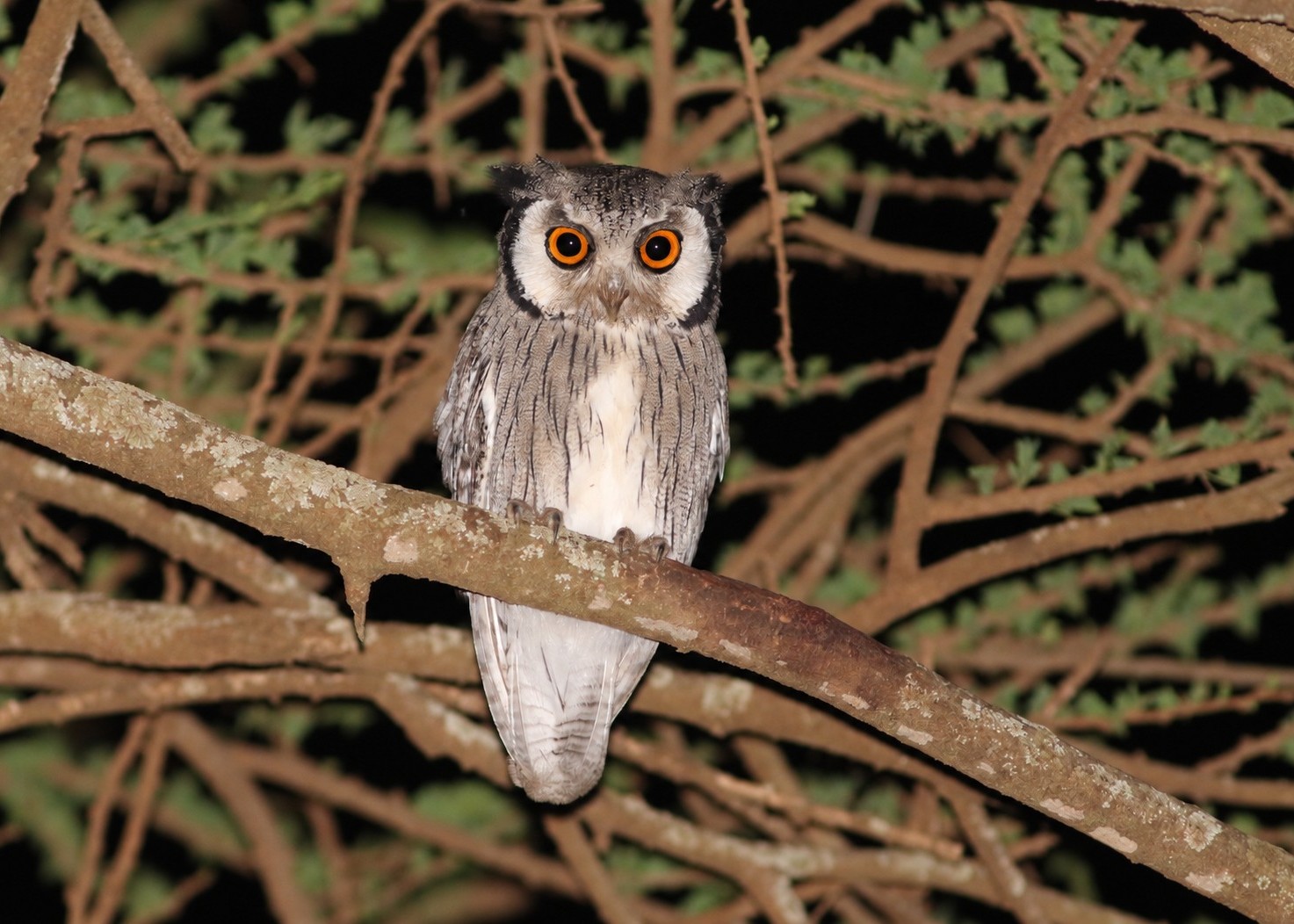
Day 11 - Today we will explore the area around Lake Baringo. Situated in the Eastern Rift Valley of Kenya, the lake, and the surrounding arid scrub offer a whole new suite of birds. Targets include Jackson’s Hornbill, Northern Masked Weaver, Bristle-crowned Starling, Somali Sparrow, Hemprich’s Hornbill, and Three-banded Courser. Amongst the area’s cliffs we will search for the Brown-tailed Rock Thrush, Verreaux’s Eagle Owl, Spotted Eagle Owl, and Chestnut-crowned Sparrow-weaver. At dusk, we hope to spot the Slender-tailed Nightjar. Night at Lake Baringo.
Day 12 - We start the day with a morning boat ride on Lake Baringo and then depart for Nakuru National Park. The acacia woodland around Lake Nakuru is a fine example of this habitat, and we’ll look for such species as Red-throated Wryneck, Arrow-marked Babbler, Hildebrandt’s Francolins, and Grey-crested and White helmetshrikes. The park has good populations of both Black and White rhinoceros, Rothschild Giraffe, Lion, Leopard, and more. Night at Lake Nakuru.
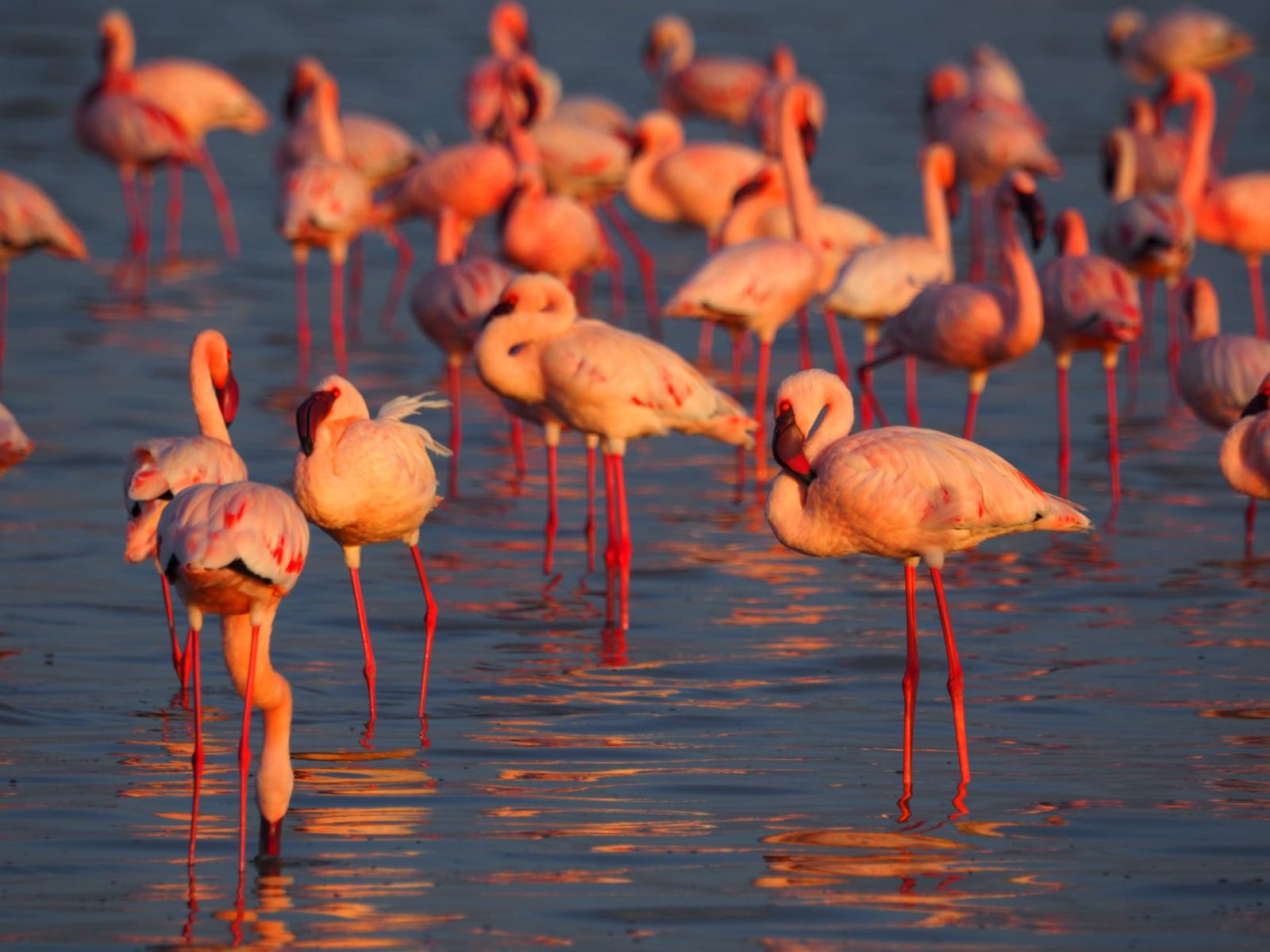
Day 13 - We will awaken to vast flocks of flamingos, pelicans, and other waterbirds, before departing Lake Nakuru. Our first stop will be the Kinangop Plateau, a high elevation grassland home to the endemic Sharpe’s Longclaw, plus other interesting bird species such as the Levaillant’s Cisticola, Jackson’s Widowbird, African Snipe, and African Hobby. We will then proceed to Aberdare National Park. Weaving our way up to the moorland we hope to encounter a wide array of bird species, including Malachite Sunbird, Golden-winged Sunbird, the endemic Aberdare Cisticola, and the near endemic Jackson’s Spurfowl. In the moorland we hope to spot Moorland Chat among the grass, and the Red-tufted Sunbird nectaring on impressive giant lobelias. Night in Nyeri.
Day 14 -15 - Today we leave for Mount Kenya where we will spend the next 2 days. We start with an early morning search for the endemic Hinde’s Babbler, which is known to occur on the lantana bushes around the vicinity of the hotel, and then we head to Africa’s second highest mountain where an amazing array of montane birds await us. Staying at a lovely lodge, nestled in the cloud forest of the mountain, the next two days will have us walking various trails and roads in search of mixed flocks as well as elusive forest skulkers. Targets include the endemic Kikuyu White-eye, endemic Hunter’s Cisticola, Bar-tailed Trogon, Abyssinian Ground-Thrush, Abyssinian Crimsonwing, Hartlaub’s Turaco, Abbott’s Starling, Purple-throated Cuckooshrike, Doherty’s Bushrike, Tacazze Sunbird, and Mountain Yellow-Warbler. This is also the best spot in the world to spot the elusive forest-dwelling Olive Ibis, often seen at dawn and dusk commuting over the lodge grounds to feed deep in the forest. Nights at Mt. Kenya
Day 16 - Today we will leave Mt. Kenya to head back to Nairobi. Depending on flight schedules, we will spend time birding along the route or head directly back into the city. Fly home today or extra night in Nairobi.