Day 1 - Arrival in Cape Town and we will transfer to our bed & breakfast for the night.
Day 2 - Our first day of birding will take us to some of the most iconic birdwatching locations in the Cape area, such as Kirstenbosch Gardens and Strandfontein. We launch straight into the diverse fynbos biome to find two of the country’s most iconic endemics on our first day: Cape Rockjumper and Cape Sugarbird. The Cape Fold Mountains and the Atlantic ocean provide a spectacular backdrop. While soaking up the impressive landscape, we look for Cape Siskins, striking little Orange-breasted Sunbirds, iridescent Malachite Sunbirds, Cape Bulbuls, skulking Victorin’s Warblers and confiding Cape Spurfowl. The scenery here is spectacular, and expect rare mammals and the very unique plant life of the region. Night in Cape Town.
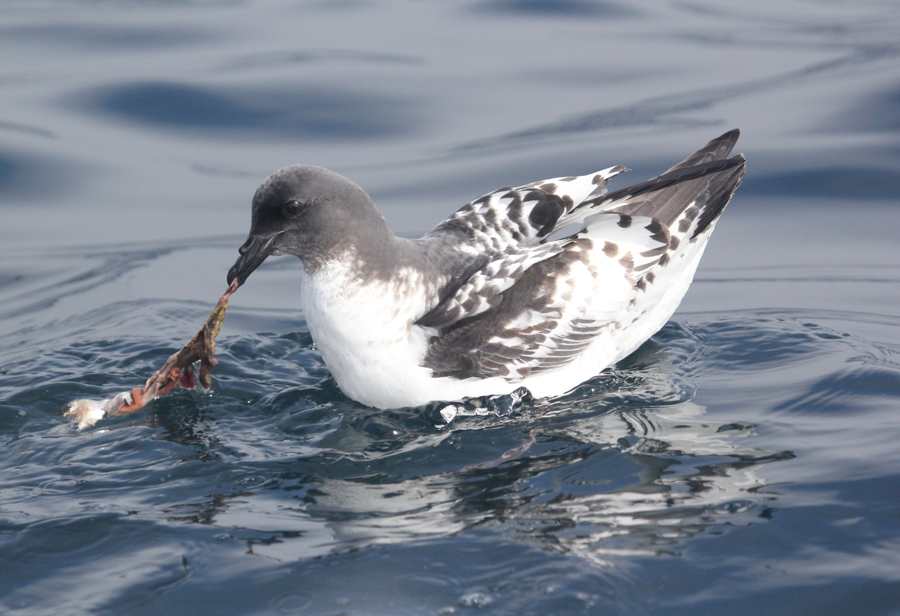
Day 3 - Today we join a pelagic trip out of Simon's Town. A variety of petrels, shearwaters, albatross, skuas and other goodies are expected on the pelagic. Some species of note to watch for include Atlantic and Indian Yellow-nosed albatrosses, White-capped and Black-browed albatross, Black-bellied Storm-Petrel, both Southern and Northern Giant-petrels, and Pintado and White-chinned petrels to name just a few. Our guides will be on the lookout for Southern Right Whales and Dusky Dolphins. This afternoon, once we're back on dry land, we'll visit a colony of African Penguins. We can also see Cape, Bank and Crowned cormorants here, amongst others. Night in Cape Town.
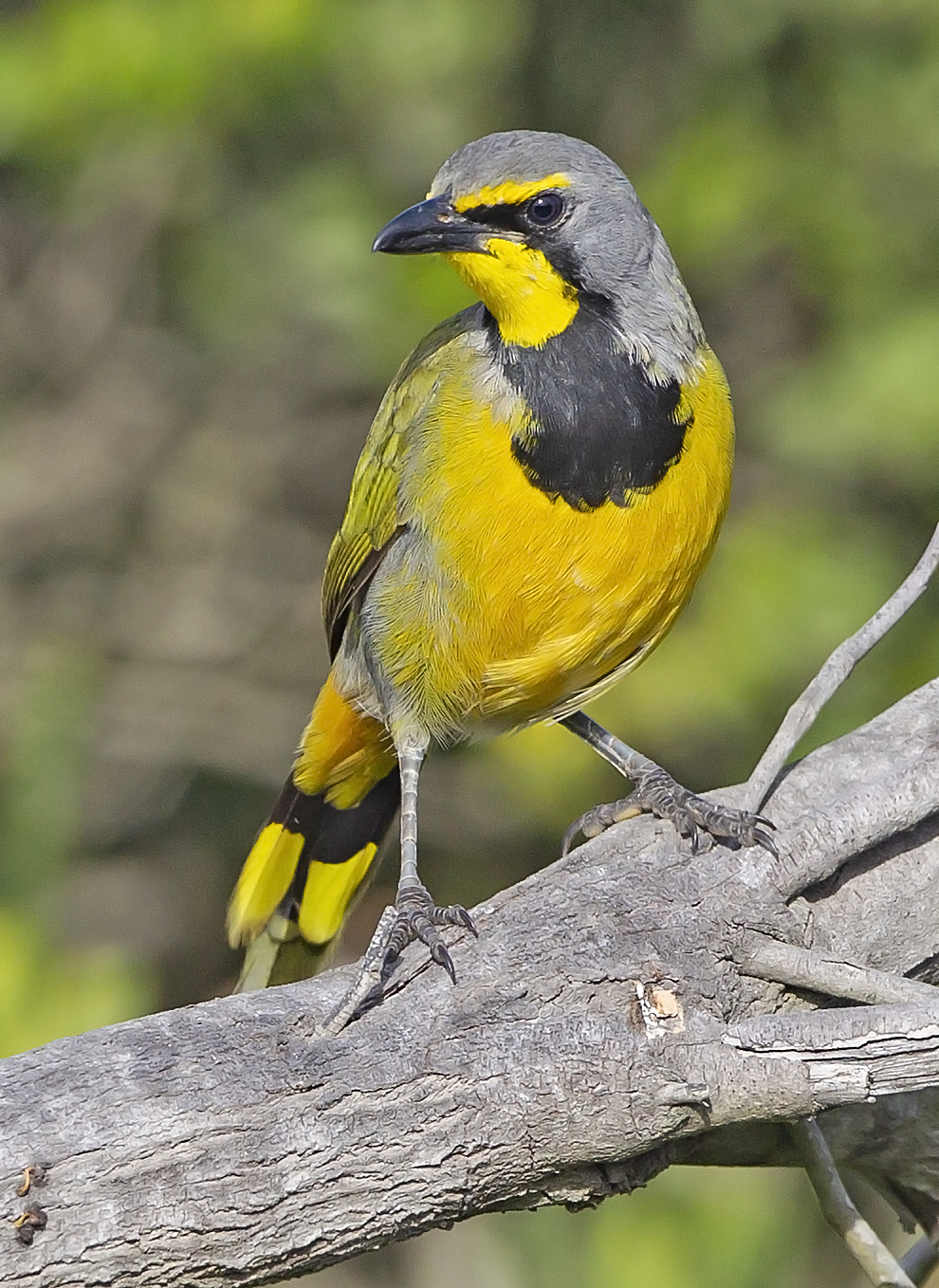
Day 4 - We will head to explore parts of West Coast National Park today. This area is home to some fantastic birds, but our two big targets today will be the stunning Black Harrier and the Southern Black Korhaan. Other birds we will search for, however, include Southern Double-collared Sunbird, Wattled Starlings, Chestnut-vented Warbler, Little Rush Warbler, Cape Grassbird, and Bokmakierie. Lagoons in the park are home to a selection of shorebirds and other waterbirds. We will look for Kittlitz's and White-fronted plovers, Eurasian Whimbrel, Marsh Sandpiper, Curlew Sandpiper and Little Stint, amongst others. Greater and Lesser flamingos can be seen here, alongside African Sacred Ibis, Black-headed Herons and Great White Pelicans. Night in Cape Town.
Day 5 - From Cape Town we make our way east to De Hoop Nature Reserve. Along the way we will look for South Africa's national bird, the Blue Crane, near the Overberg, and then at the Agulhas Plains, we will look for Agulha's Long-billed Lark and Denham's Bustard. Of course, there will be plenty of other birds to see, including the sought-after Knysna Woodpecker and the lovely Southern Tchagra. Night at De Hoop Nature Reserve.
Day 6 - We will have the full day exploring De Hoop Nature Reserve, including a visit to Koppie Alleen where we will look for Southern Right Whales! Speaking of large creatures, the Common Ostrich, the world's largest bird, is quite numerous here. Ponds and wetlands are home to a variety of waterfowl including South Africa Shelduck, Spur-winged Goose, Cape Shoveler, Yellow-billed Duck, Cape Teal, Red-billed Duck and Southern Pochard. Other waterbirds to watch for include African Darter, Reed Cormorant, Hadada Ibis, African Spoonbill, Gray Heron, Hamerkop and more! Raptors to watch for include Rock Kestrel, Black-winged Kite, Cape Griffon, Black Kite, African Fish-Eagle, and Jackal Buzzard. Chuck in a few more goodies like Common Hoopoe, Pied Barbet, Southern Boubou, Cape Clapper-Lark, Karoo Scrub-Robin and Cape Bunting, and we're in for a spectacular day of birding. Mammals are also numerous at De Hoop, and include Bontebok, Cape Mountain Zebra, Eland and Chacma Baboon, to name a few. Night at De Hoop Nature Reserve.
Day 7 - We return to Cape Town today, via Betty's Bay and Rooiels. These areas are excellent for some of the Cape specialty birds, including the spectacular Cape Rockjumper and the unique Ground Woodpecker. The beautiful landscape here of stony, mountain slopes, is also home to birds like Cape Rock-Thrush, Cape Robin-Chat, Familiar Chat, Victorin's Scrub-Warbler, Karoo Prinia, Alpine Swift, and if we're lucky, a Verreaux's Eagle. Night Cape Town.
Day 8 - This morning we will fly from Cape Town to Johannesburg, South Africa's largest city. From there, we will drive to Dullstroom, a journey of 2-3 hours, depending on stops. We will explore a rural grassland area, excellent for finding both Blue and wattled cranes. These high altitude grasslands are a prime spot for Gurney’s Sugarbird and grassland endemics include Buff-streaked Chat and Yellow-breasted Pipit, which are more easily seen here than elsewhere in South Africa. Southern Bald Ibis and Denham’s Bustard will be high on our list of birds to see. Night in Dullstroom.
Day 9 & 10 - After breakfast, we'll begin traveling to Mount Sheba, a journey of about 2 hours. One of South Africa’s better escarpment forest and grassland sites is Mount Sheba, which offers easy access to some excellent Afromontane forest birding. Here we will look and listen for mixed foraging parties: Yellow throated Woodland-Warbler, Terrestrial Brownbul, Cape Batis, Olive Woodpecker, White-starred Robin, Chorister Robin-chat, Green-backed Cameroptera, Bar-throated Apalis, Olive Bush-Shrike, and Forest Canary. On the leafy forest floor we will look for Orange Ground Thrush and Lemon Dove. Bush Blackcap sometimes appears in the forest fringes. We will spend two nights at Mount Sheba.
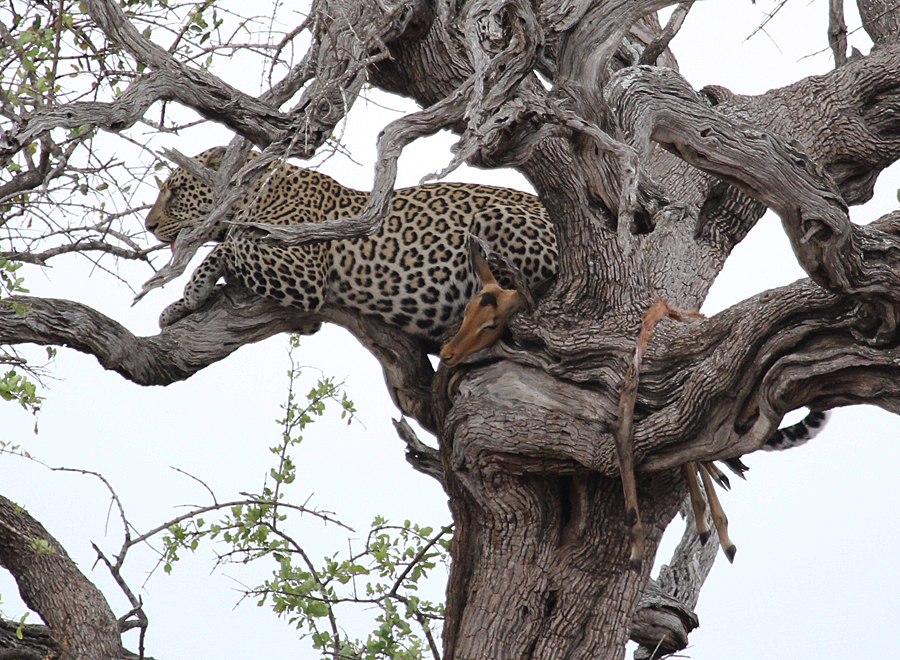
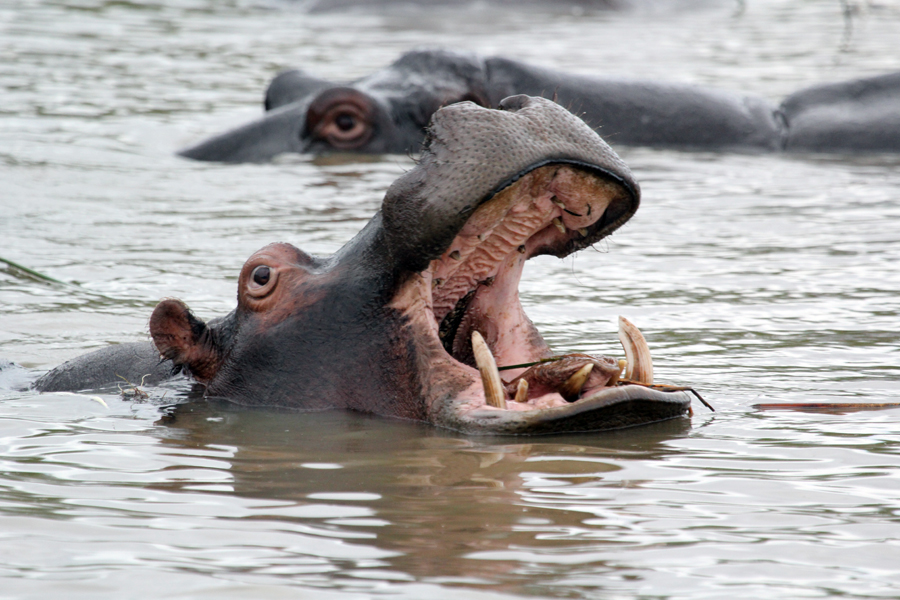
Day 11 to 14 - We will make our way to Kruger National Park, visiting the spectacular Blyde River Canyon along the way. Blyde River Canyon, the 3rd largest canyon on earth, provides a stunning backdrop for our journey this morning. On our 2014 tour here, we had great views of a Mocking Cliff-Chat at the canyon. Once we enter Kruger Park, the fun will begin as we search for birds and mammals in this iconic national park. The Big 5, including Elephant, Rhinoceros, Cape Buffalo, Lion and Leopard are all mammals we hope to see, including other such as Hippos, wildebeest, gazelles, Cheetah, hyenas and much more. The birding in Kruger National Park is also sensational, with over 500 species recorded here. The park is renowned for raptors and we hope to see Dark-chanting Goshawk, Brown Snake-Eagle, Martial Eagle, Tawny Eagle, Hooded, White-backed and Lappet-faced vultures and the bizarre Secretarybird! With a little luck, we'll see some owls, some of which could include African Scops Owl, Southern White-faced Owl, Pearl-spotted Owlet and the giant Pel's Fishing-Owl. Southern Ground-Hornbills walk lethargically through the grass, while stunning Magpie Shrikes, Four-colored Bushshrikes, Gray-headed Bushshrikes, and White-crested Helmetshrikes will hopefully make appearances. We will spend four nights in Kruger National Park, all in bush camps in the park. The bush camps are basically little fenced in villages where the large animals cannot get in. The camps are generally excellent for birding though. We'll spend the first two nights at a camp in central Kruger, and the last two nights at a camp in southern Kruger. Also, while in Kruger, we'll take at least one night drive, in hopes of seeing more mammals and nocturnal birds.
Day 15 - We'll have time for some morning birding around our rest camp in Kruger, before beginning our journey back to Johannesburg where the tour will conclude in the late afternoon.